Guides
The luggage questions, answered with tables
The reference pages: exactly what size a carry-on is, the size limit for every major airline, how to pack one for a week, and which materials are worth paying for. Built to be cited.
Before you buy a bag, you usually have a question — what size counts as a carry-on, whether it fits the airline you are flying next week, how to make a week's clothes fit in it, whether hardside or softside is the right call. This hub is the reference desk. Every guide leads with a direct answer in the first two sentences, backs it with a table or a numbered list you can actually use at the airport, and cites the airline policy pages and material data it draws from.
The two most important pages are the size guides, and they are the backbone of the whole site. The what-size-is-a-carry-onguide gives you the industry baseline — the familiar 22 × 14 × 9 inch (56 × 36 × 23 cm) standard — and explains why your bag can be "carry-on sized" and still get gate-checked. The carry-on-size-by-airline table is the one to bookmark: the real maximum dimensions and weight limits for the major US and international carriers in one place, because they genuinely differ and airlines change them. Both feed straight into the bags we recommend, so you never end up with a case that fits everywhere except the plane you booked.
The rest of the hub answers the questions that come up once you own a bag or are deciding between two builds: how to pack a carry-on for a full week without checking a bag, and hardside vs softside and the material comparison that decide durability and weight. These are deliberately the least monetized pages on the site — they exist to be genuinely useful and to be the kind of clear, cited reference that other sites link to. Where a guide reaches a buying decision, it points you to the matching roundup; it never pretends a link is anything other than a helpful next step.
Everything in this hub
All guides

Guide
What size is a carry-on bag?
The carry-on standard is 22 x 14 x 9 in (56 x 36 x 23 cm) including wheels — what that means, how to measure, and why your bag can be sized right and still get gate-checked.
Read the guide →
Guide
Carry-on size limits by airline
Every major US and international airline's published carry-on dimensions and weight limits in one sortable reference — the page to bookmark before you fly.
Read the guide →
Guide
Personal item size limits by airline
Under-seat personal-item size limits for the major US airlines — the free bag that lets you skip the carry-on fee on a basic-economy fare.
Read the guide →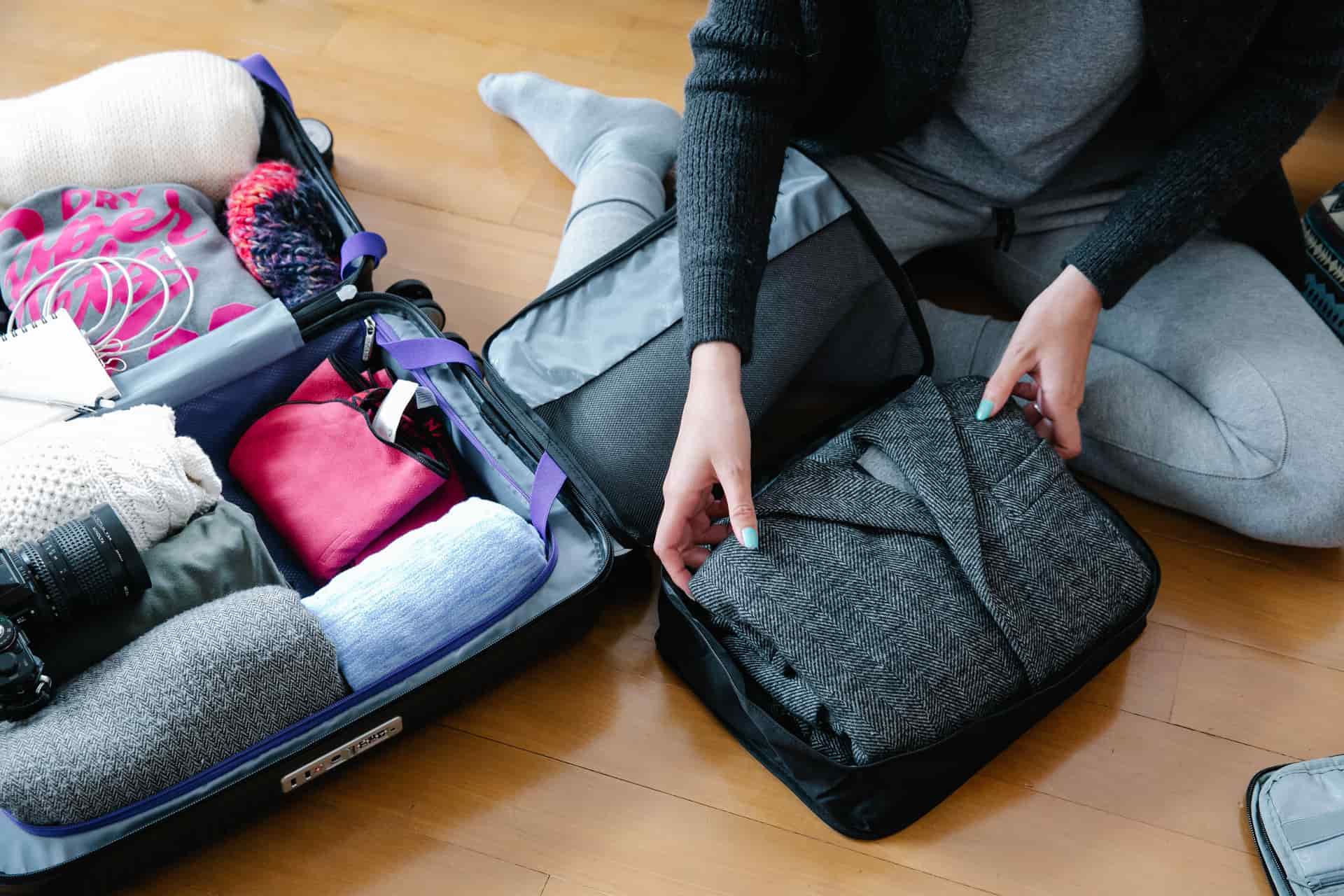
Guide
How to pack a carry-on for a week
A step-by-step method to fit a full week in a carry-on: build a capsule wardrobe, roll and cube, wear the bulky items, and pack in the right order.
Read the guide →
Comparison
Hardside vs softside luggage
Hardside protects and cleans up; softside flexes and overstuffs. The honest side-by-side comparison, and a clear verdict on which suits how you travel.
Read the guide →
Comparison
Polycarbonate vs ABS vs aluminum luggage
Which hardside shell material to buy: polycarbonate (the sweet spot), ABS (cheap but brittle), or aluminum (luxury, heavy). What each is and what it's worth.
Read the guide →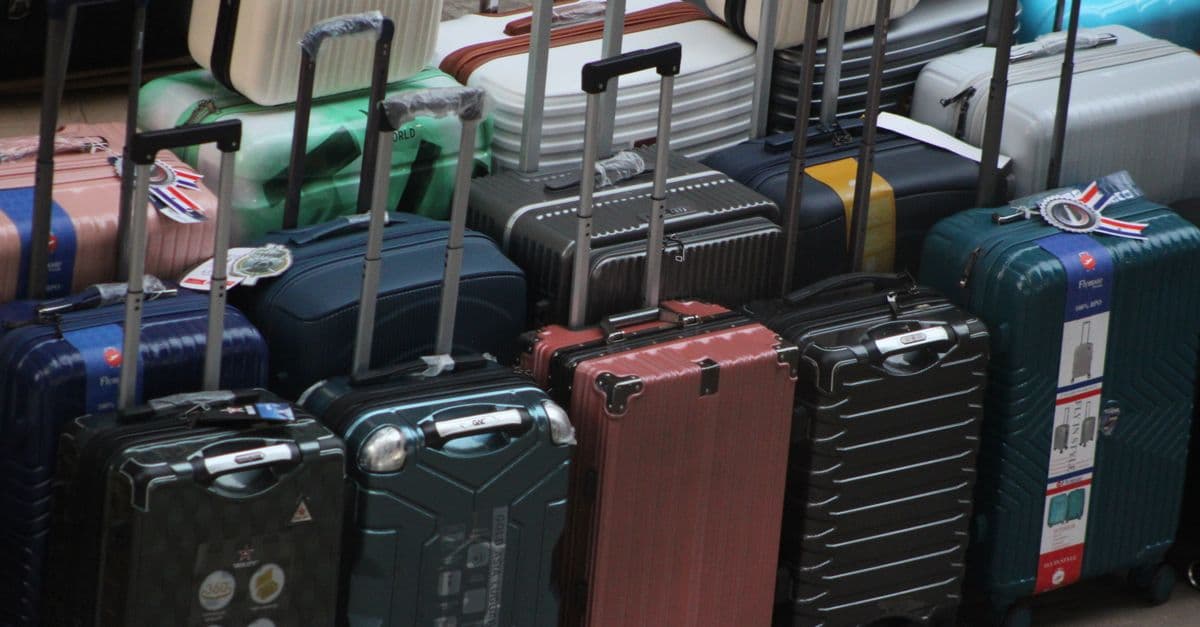
Comparison
Spinner vs 2-wheel luggage
Spinners glide sideways and spare your wrist; 2-wheel rollers survive rough ground and pack more. The full trade-off, plus which wheel type suits how you actually travel.
Read the guide →
Guide
International carry-on size and weight limits
International carry-on rules are smaller than the US standard and weight-enforced at 7-10 kg. The regional patterns, the carriers that weigh bags, and how to buy a bag that passes.
Read the guide →
Guide
Luggage with USB charging: what the airline rules actually say
USB luggage is not banned, but the lithium battery must be removable and carried in the cabin. The actual airline rule, why it exists, and what to check before buying.
Read the guide →
Guide
Checked bag size and weight limits
Checked bags are capped at about 62 linear inches (157 cm) and 50 lb (23 kg) on most airlines. Linear inches explained, overweight fees, and how to pick a case that fits the rule.
Read the guide →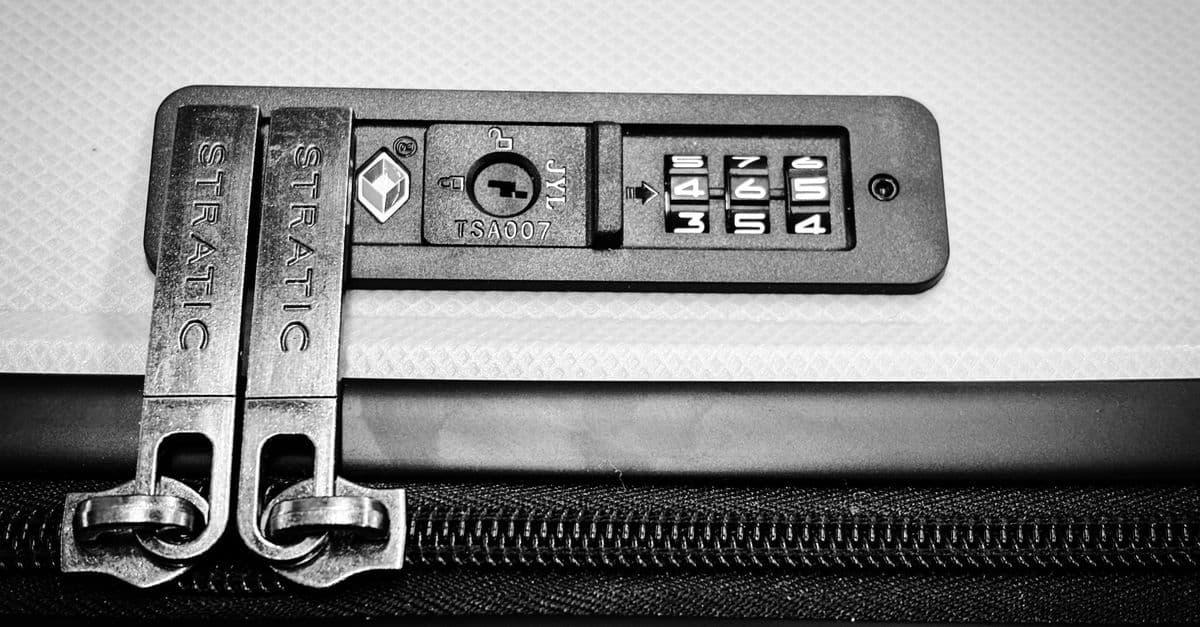
Guide
TSA-approved luggage locks, explained
How TSA-recognized locks work, how to spot the Travel Sentry red diamond and Safe Skies torch, what they protect against, and when a zip tie is the smarter choice.
Read the guide →
Guide
Luggage wheel replacement: fix it or replace the bag?
Broken spinner wheel? How to identify the wheel type, judge whether a repair is worth it, use the warranty, and know when the bag is genuinely finished.
Read the guide →
Guide
How to measure luggage the way the airline does
Measure height, width and depth at the widest point including wheels and handles. Add the three for linear inches. Here is the method, the 62-inch checked rule, and why listed dimensions mislead.
Read the guide →
Guide
Carry-on liquids: the 3-1-1 rule, explained properly
The 3-1-1 rule in full: container size, the quart bag, the per-passenger limit, what counts as a liquid, the medical and infant exemptions, and how international screening differs.
Read the guide →
Guide
Carry-on vs checked bag: how to actually decide
The honest trade-off between carrying on and checking — cost, time, capacity, liquids, fragile items and loss risk — with a clear rule and a list of what must go where.
Read the guide →
Guide
How to clean luggage, properly
Method by material: scuffs off hardside shells, stains out of fabric, grit out of wheel bearings, odors out of the lining — plus what to do after a bed bug scare.
Read the guide →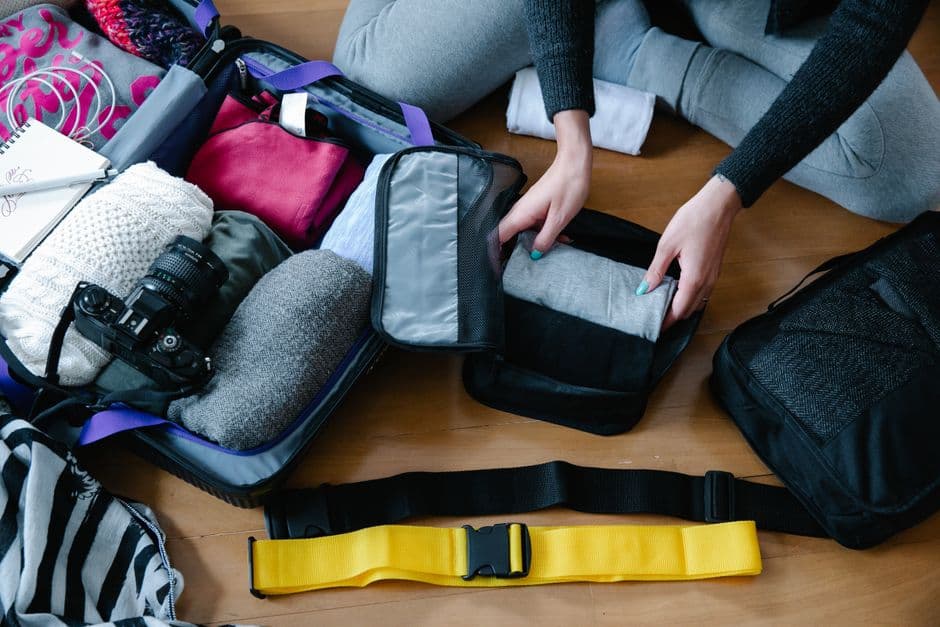
Guide
Luggage zipper repair: what you can actually fix
Diagnose it first: a splitting zipper is usually a worn slider, not damaged teeth. How to fix splits, sticking and a lost pull at home — and the two failures that end the bag.
Read the guide →
Guide
What not to pack in a carry-on
The five categories that get pulled at security, the items that must fly in the cabin instead of the hold, and how to check any specific item before you go.
Read the guide →
Guide
How to choose luggage
A five-question framework — flights per year, size, shell, wheels, warranty — that narrows the whole luggage market down to a couple of honest options.
Read the guide →
Guide
Checked bag fees by airline: how they work
The anatomy of a checked bag fee - per direction, per bag, prepay discounts, overweight and oversize tiers - plus a link to every major carrier's own fee page, because the numbers move.
Read the guide →
Guide
Can a backpack be a carry-on?
Yes - airlines size bags, they do not care about shape. The useful question is whether your backpack should be the carry-on or the personal item, and why the answer is usually the personal item.
Read the guide →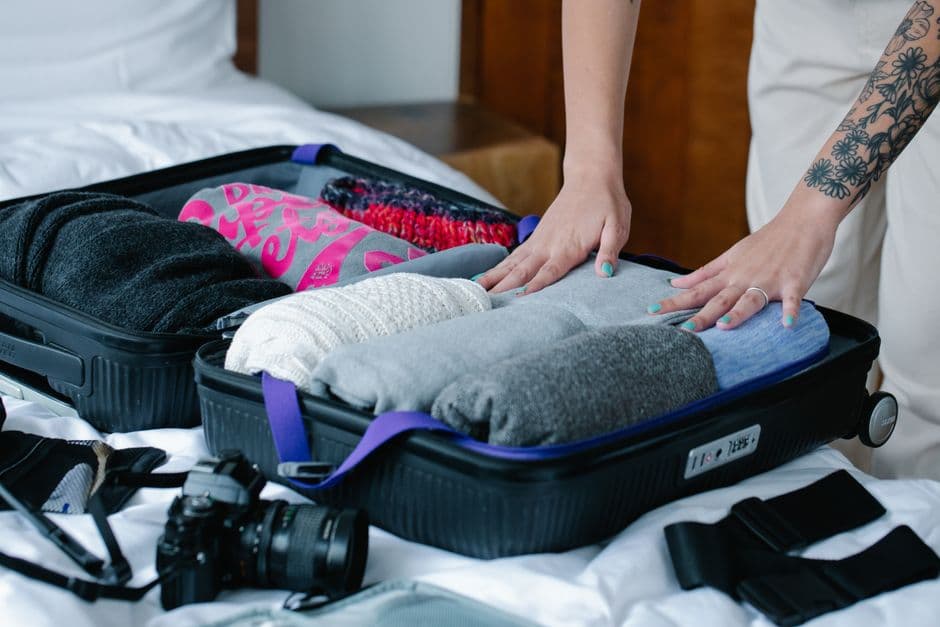
Guide
What size luggage do you need for a week?
The size-to-trip-length map - carry-on for a week, 25-inch medium for two, 28-inch almost never - plus the three variables that change the answer and the packing method that shrinks it.
Read the guide →
Guide
How to pack a suit so it arrives wearable
The shoulder-inversion fold that keeps a jacket wearable in a carry-on, where in the case it belongs, how to hang out the creases on arrival, and when a garment bag is simply the better answer.
Read the guide →
Guide
Luggage warranties explained
Why almost every lifetime warranty excludes the one thing that breaks luggage, how to read the terms before you buy, and what to do when the airline is the one that owes you.
Read the guide →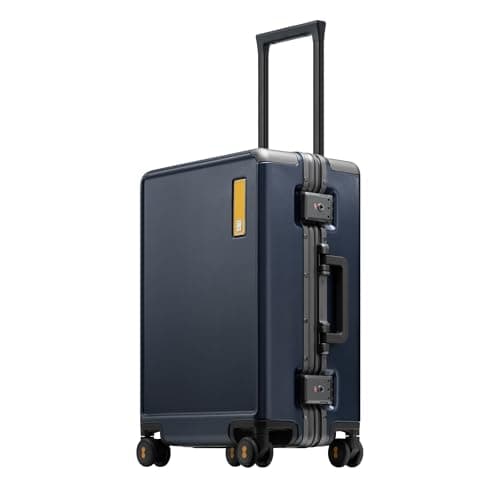
Guide
Zipperless luggage, explained
How frame-latch luggage works, the two failures it removes (burst zippers and pen-picked seams), the three costs it adds (weight, no expansion, price), and what to check before buying - with four picks.
4 picks compared
See all picks →Top pick: LEVEL8 Zipperless Carry-On with Aluminum Frame
Guide
Cracked luggage: repair it, claim it, or replace it?
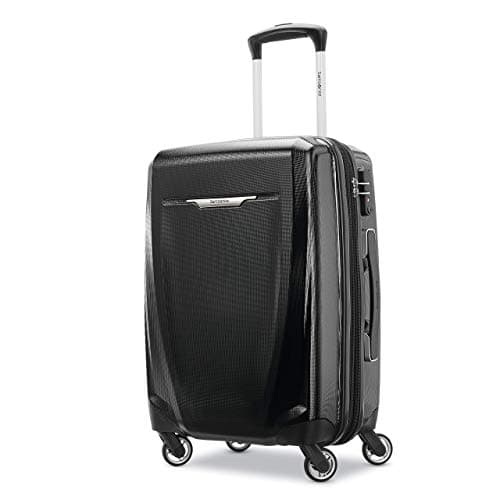
The sequence for a cracked case - report to the airline before you leave the airport, check the warranty, then decide whether an epoxy repair is worth it - plus how to judge a crack, and three replacement picks.
3 picks compared
See all picks →Top pick: Samsonite Winfield 3 DLX Carry-On Spinner
Guide
Checked luggage rules: what can and can't go in the hold
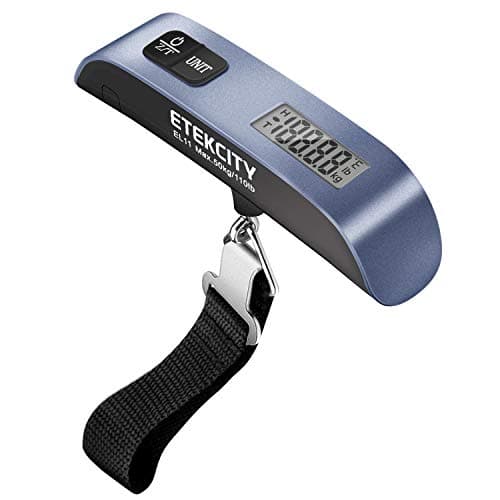
The FAA and TSA rules for checked bags - spare batteries and power banks are carry-on only, toiletries are capped at 70 oz total and 18 oz per container, one lighter on your person, alcohol by proof - plus how to pack around them.
3 picks compared
See all picks →Top pick: Etekcity Digital Luggage Scale, 110 lb
Comparison
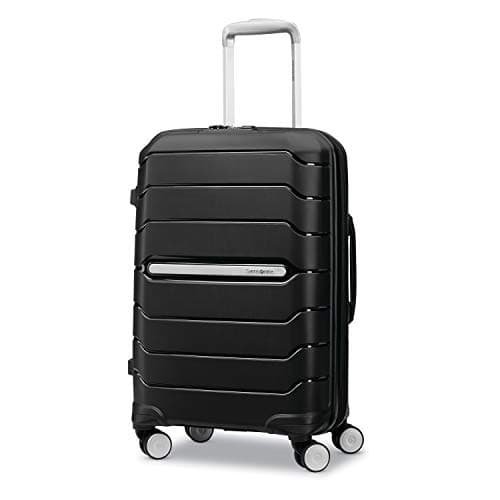
Polypropylene vs polycarbonate luggage
Polypropylene is about 0.9 g/cm3 and flexible; polycarbonate is about 1.2 g/cm3 and tough. Which is lighter, which cracks, which survives a cold hold, and which to buy for cabin vs checked - with two picks of each.
4 picks compared
See all picks →Top pick: Samsonite Freeform Carry-On Spinner
Guide
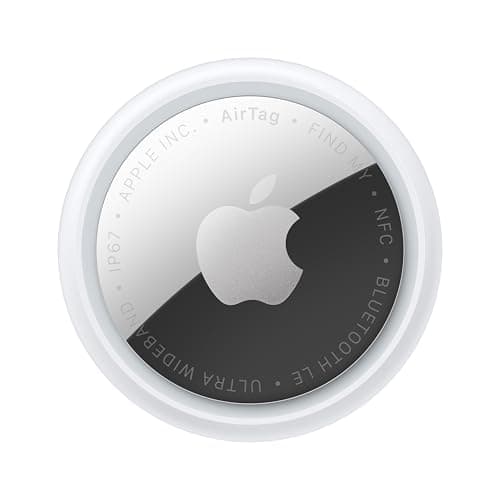
The airline lost my luggage - what now?
File the report before you leave the terminal, claim the checked-bag fee back after 12 hours domestic, know the $4,700 domestic and 1,519 SDR international liability caps - plus the trackers and tags that make the next trip different.
3 picks compared
See all picks →Top pick: Apple AirTag (2nd Generation)
Guide
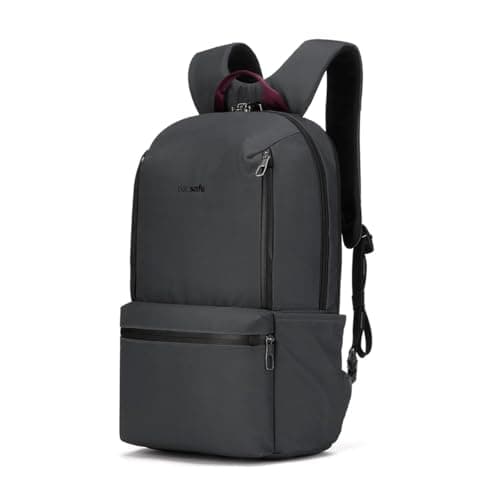
How to prevent luggage theft
The three places bags actually get stolen from and what works in each - why a zip can be opened and re-closed with a pen, what a TSA lock is really for, and the slash-resistant bags and trackers that cover the rest.
4 picks compared
See all picks →Top pick: Pacsafe Metrosafe X Anti-Theft 20L Backpack
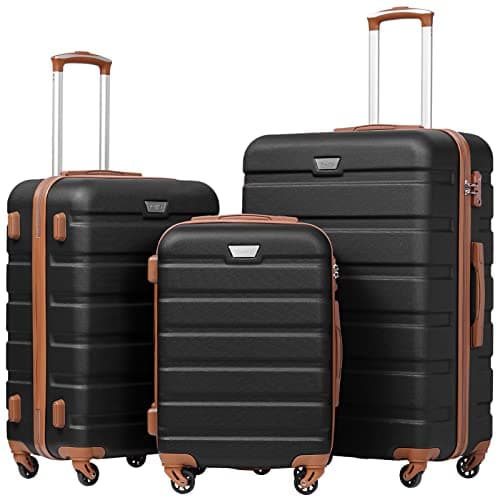
Guide
How to store luggage at home
Nest the cases, store them clean and bone dry with the lid ajar, use the inside as storage, and keep them out of the garage - plus the three registry picks that make luggage storage a non-problem.
3 picks compared
See all picks →Top pick: Coolife 3-Piece Hardside Luggage Set
Guide
Luggage handle repair: stuck, wobbly or snapped
Diagnose the four common telescoping-handle failures, the fixes that work at home, what the brands cover as a replaceable part, and the point at which a handle failure means the case is done.
3 picks compared
See all picks →Top pick: Samsonite Winfield 3 DLX Carry-On Spinner
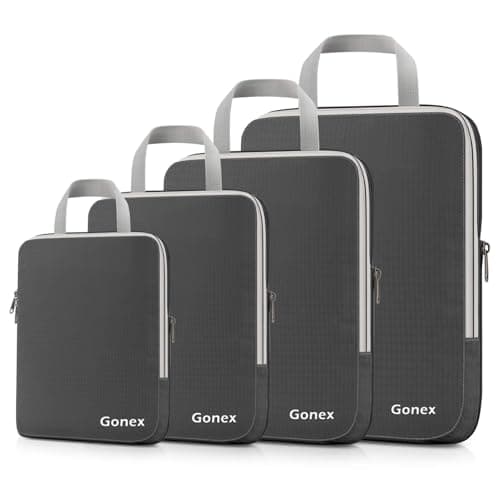
Guide
How to pack shoes in a suitcase
Pair them sole-to-sole, put them along the hinge end over the wheels, stuff them with socks, and bag them - plus how to handle dress shoes and heels, and the three picks that make it tidy.
3 picks compared
See all picks →Top pick: Gonex Compression Packing Cubes
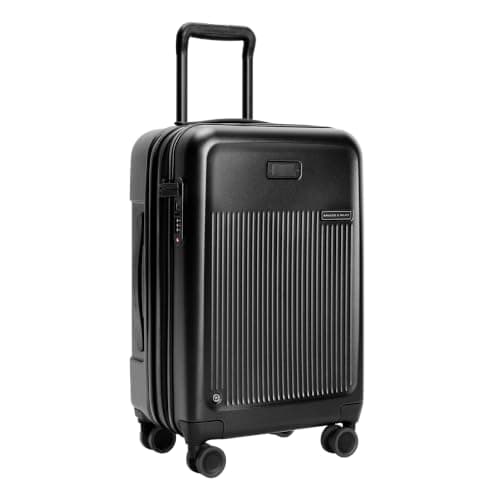
Guide
How long should luggage last?
Why luggage life is measured in trips rather than years, the order the parts fail in, the cost-per-trip arithmetic that decides what to spend, and the five signs a case is genuinely finished.
3 picks compared
See all picks →Top pick: Briggs & Riley Sympatico Essential 22-Inch Hardside Carry-On Spinner
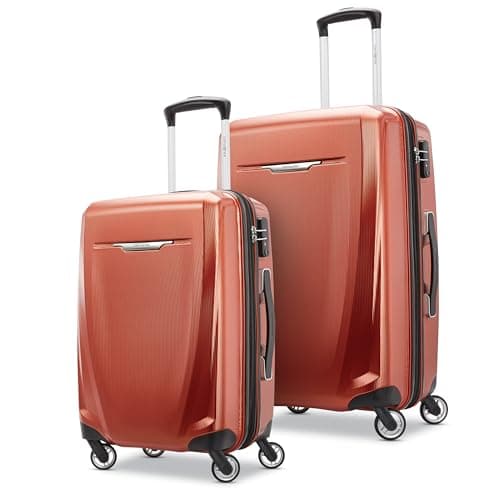
Guide
Are luggage sets worth it?
A set is worth it when you own no luggage you would keep and need more than one case at once. It is not worth it if you already own a carry-on, if you only fly cabin, or if the third piece is a 28-inch case. The arithmetic, in full.
3 picks compared
See all picks →Top pick: Samsonite Winfield 3 DLX 2-Piece Set
Guide
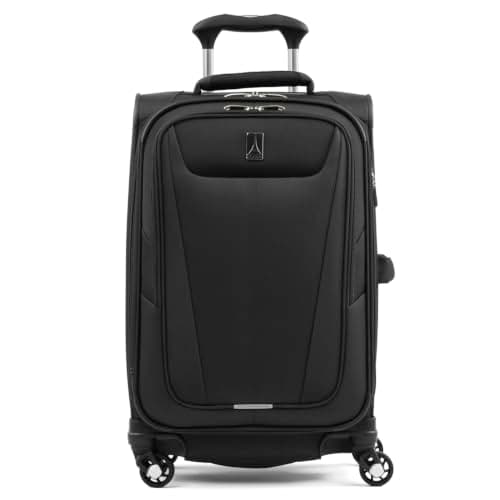
How much does luggage weigh?
Published empty weights for 15 cases by size, the arithmetic against a 50 lb checked cap and a 7 kg cabin cap, how to weigh a bag properly, and what to buy when the number is the constraint.
3 picks compared
See all picks →Top pick: Travelpro Maxlite 5 Carry-On Spinner
Guide
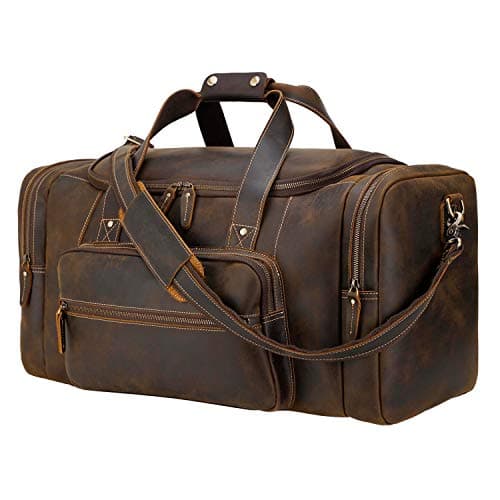
How to care for leather luggage
The honest leather routine: wipe, condition sparingly, keep it out of heat and standing water, and never check it. Why the right method depends on the hide grade, what saddle soap does to a finished bag, and how to deal with a water spot.
3 picks compared
See all picks →Top pick: Polare Full-Grain Leather Weekender
Guide
Do packing cubes save space?
The honest mechanism: plain cubes add fabric and corner voids and win on time rather than volume; compression cubes expel air from soft clothing and genuinely free space, at the cost of wrinkles and a weight problem. Which to buy for which case.
3 picks compared
See all picks →Top pick: Gonex Compression Packing Cubes
Guide
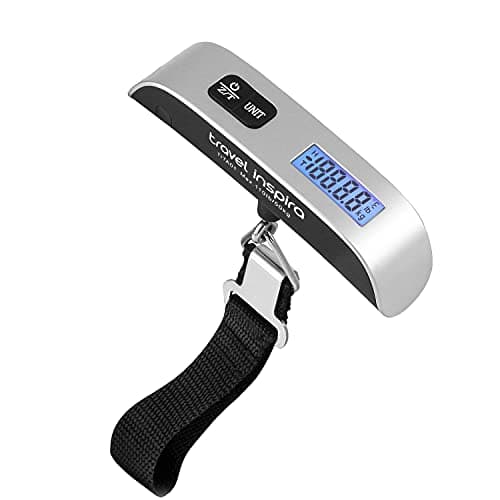
How to pack a suitcase
The checked-bag method: weigh the empty case, subtract from 50 lb, and pack to the remainder. Where weight belongs, when to roll and when to fold, the perimeter rule for shoes, and how to arrive uncreased.
3 picks compared
See all picks →Top pick: travel inspira Digital Luggage Scale, 110 lb
Guide
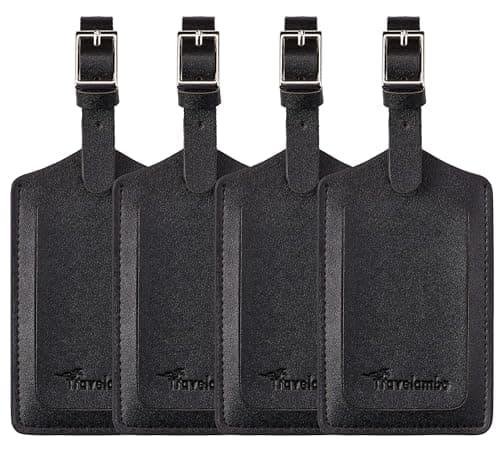
How to make your luggage stand out
The identification fixes ranked by survival: a colored case and a wide strap last, printed handle wraps mostly last, ribbon and stickers do not. Plus the part people skip - an interior ID card and a tracker, which are what actually recover a bag.
3 picks compared
See all picks →Top pick: Travelambo Leather Luggage Tags, 4-Pack
Guide
How many outfits fit in a carry-on?
The capacity question answered with numbers: a 22 x 14 x 9 in carry-on is about 45 L gross and 37 to 40 L usable, which is five to seven outfits packed flat. Includes published capacities for real cases and what compression actually buys.
4 picks compared
See all picks →Top pick: Gonex Compression Packing Cubes
Guide
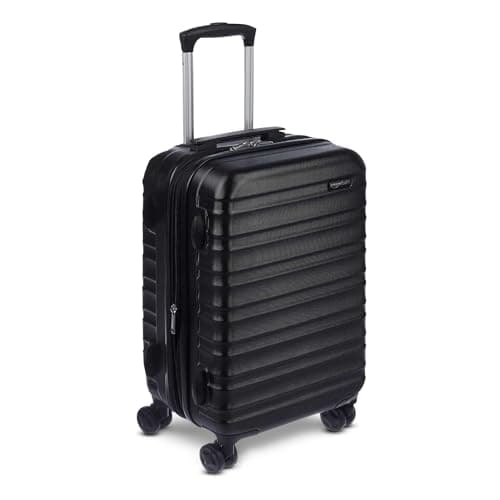
Why is luggage so expensive?
The four real cost drivers in luggage pricing - the warranty reserve, the wheel assemblies, the shell material and tooling, and brand - plus the cost-per-trip arithmetic that says who should buy premium and who should not.
3 picks compared
See all picks →Top pick: Amazon Basics 21" Hardside Carry-On
Guide
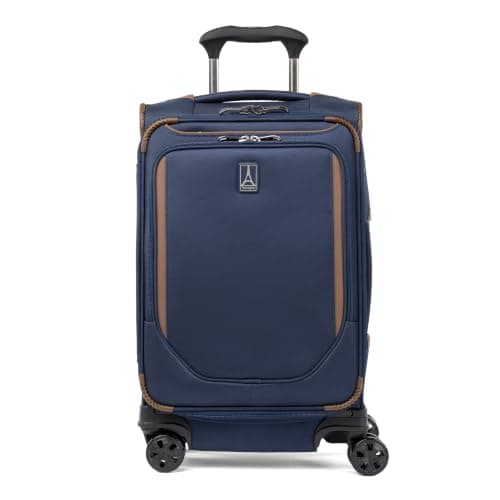
What happens if your carry-on is too big?
The three real outcomes when a carry-on is oversize - nothing, a free gate-check, or a paid gate-check at a rate usually higher than the online checked-bag price - plus why the gate is the expensive place to be caught and how to stop it happening.
3 picks compared
See all picks →Top pick: Travelpro Crew Classic Softside Carry-On, 21-Inch
Guide
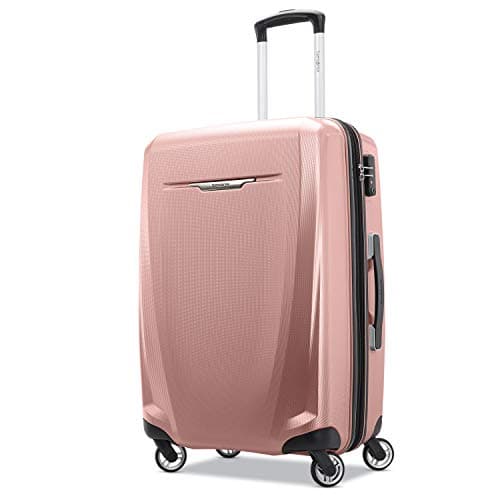
What size suitcase for a 23 kg allowance?
The weight-to-volume arithmetic behind a 23 kg allowance: clothing packs at roughly 0.2 to 0.3 kg per liter, so 70 to 80 liters is the matching size and a 100-liter case is overweight before it is full. Includes published empty weights from real cases.
4 picks compared
See all picks →Top pick: Samsonite Winfield 3 DLX Checked-Medium, 25-Inch