Start here: a handle that will not retract is almost always grit or a bent tube, not a broken mechanism, and both are fixable in about twenty minutes without parts. A handle that wobbles is usually worn guides or a loose mounting screw. A handle whose release button has failed or whose tube has snapped needs a replacement assembly, which is a part most legacy brands will supply and which is a warranty claim if the case is in term. Only a handle failure that has taken the housing or the frame with it is the end of the bag.
This is the third of the three repairable failures on this site, alongside wheel replacement and zipper repair. We have not performed these repairs in a workshop and we do not claim to have tested them; what follows is the diagnosis sequence and the fixes that repair guidance and brand service pages consistently describe.
Diagnose it first - there are only four failures
It will not retract. The most common of all, and the least serious. Either the release button is not disengaging the locking pin, or the tubes have grit, sand or a bent section stopping them sliding. Lay the case flat, extend the handle fully, and look down the tubes for a dent.
It will not extend, or jams halfway. Usually something inside the case pressing against the handle tube housing - overpacking is the overwhelming cause - or a tube that has taken a knock and is no longer round.
It wobbles. Normal play increases as the nylon guides wear. Excessive wobble is a loose mounting screw at the base, a missing guide, or a tube that has splayed.
The button or the tube has broken. The release mechanism has stopped latching, or a tube has cracked or sheared. This one needs a part.
The fixes, in order of how little they cost
Clean and lubricate the tubes. Extend the handle fully, wipe each tube section with a dry cloth to remove grit, then apply a dry lubricant - a silicone spray or a PTFE dry lube - and work the handle up and down twenty times. Do not use oil or WD-40 as a lubricant: it attracts dust, which is what jammed the handle in the first place. A very large share of stuck handles are fixed here.
Unload the case and check for internal pressure. If the handle only jams when the bag is packed, the bag is overpacked against the handle housing. That is not a repair, it is a packing problem - and it is also how handle tubes get bent in the first place.
Tighten the mounting screws. Open the lining at the base of the handle - most cases have a zip or a velcro flap there - and check the screws holding the assembly to the frame. A wobble that appeared gradually is very often two loose screws.
Straighten a dented tube, carefully. A shallow dent can sometimes be worked out with pliers padded with cloth. A tube with a kink or a crease is finished and needs replacing - forcing it will crack it.
Replace the assembly. Handle assemblies are a stocked spare part at the legacy brands. The assembly is usually held by two to four screws under the lining at the base and at the top plate; the job is straightforward with the right part and almost impossible with the wrong one, so order by model, not by measurement.
What the warranty covers, and the cost if it does not
The telescoping handle is explicitly named in most brands' warranty language, because it is a known wear part. Samsonite and American Tourister cover defects for ten years, Travelpro publishes a limited lifetime warranty covering wheels, zippers and extension handles, and Briggs & Riley repairs the bag for life regardless of cause - including, uniquely, damage caused by an airline. A handle that failed in normal use on an in-term bag is a parts order or a service claim, not a purchase. Our warranties guide sets out each brand's terms.
Outside warranty, an independent luggage repair shop will quote for a handle replacement, and the economics are simple: the quote is worth taking on a premium case and rarely worth taking on a budget one, where it can approach the price of a new bag. We do not publish a price because shop rates vary by city and by model and any figure here would be invented.
When the handle failure means the case is done
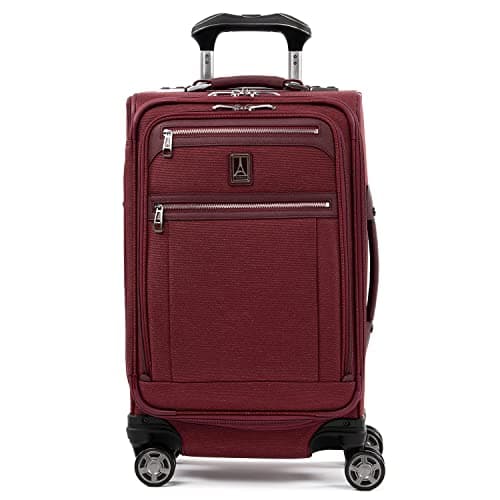
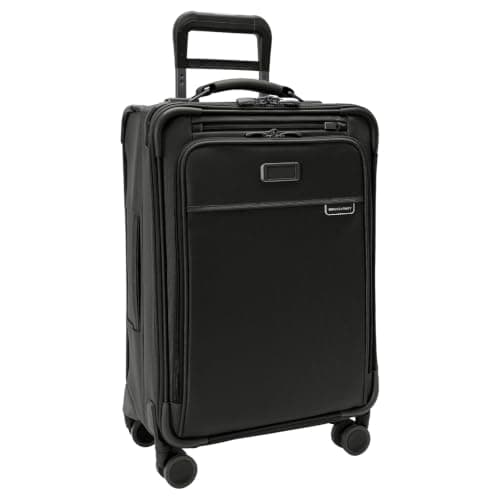
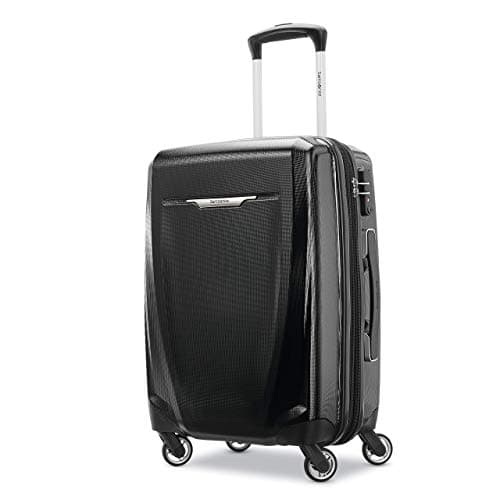
Three signals. The housing or frame has cracked around the handle mount - that is structural and a patched mount fails again under load. The brand does not supply the part, which is the usual situation with unbranded cases and is the strongest practical argument for buying inside a service network. Or the handle is the third failure on a case that has already had a wheel and a zipper go - at that point you are maintaining a bag rather than owning one. The three replacements below are the site's own registry entries chosen for exactly this situation, with the scores they earned on their own roundups.
How to stop the next handle failing
Handles fail from side load and from grit, and both are habits rather than defects. Pull the case behind you in line rather than dragging it sideways off the handle. Do not use the extended handle as a hook for a second bag heavy enough to lever it - the clip-on tote is the most common cause of a bent tube on a cabin case. Retract the handle fully before the bag goes into a hold, every time, because an extended handle on a conveyor is a snag point. Wipe the tubes down after a beach or desert trip. And do not overpack against the housing: a case stuffed until the inner panel bulges is pressing directly on the part that has to slide.
Ordering the right part
Handle assemblies are model-specific and are not interchangeable between lines, even within a brand. Order by model name and, where the case has one, the style number printed on a label inside the lining - not by measuring the tube. Contact the brand's service department first: on an in-warranty case they frequently send the part free, and on an out-of-warranty case they will still usually sell it, which the generic repair kits sold online cannot match for fit.
Generic repair kits: what they are good for
The handle repair kits sold online are mostly replacement release buttons, locking pins, springs and plastic guides. They are genuinely useful for a worn release mechanism or a lost guide, and they are not a substitute for a tube or a full assembly. Buy one if your diagnosis is "the button does not latch"; do not buy one expecting it to fix a bent tube.
If the failure was not the handle
Wheels fail more often than handles and are easier to replace - our wheel replacement guide covers the job and the parts. A split zipper is usually a slider rather than the teeth, which is a five-minute fix: zipper repair. And a cracked shell is a different decision entirely, with an airline claim deadline attached - cracked luggage: repair or claim.