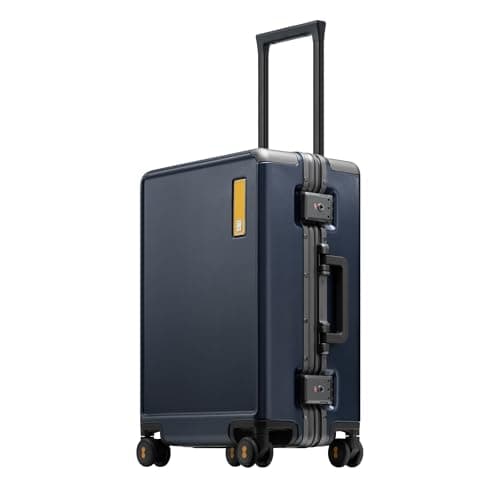
Aluminum luggage exists for one structural reason that has nothing to do with looks: it closes with latches instead of a zipper. A coil zipper — the closure on almost every other suitcase sold — can be opened with a ballpoint pen and re-zipped, leaving the lock untouched and no visible sign of entry. A latching aluminum case cannot be opened that way. That is the genuine argument, and it is a good one.
Everything else about aluminum is a trade. It is heavier than polycarbonate, which costs you packing allowance on weight-capped carriers. It dents rather than flexes: a polycarbonate shell absorbs an impact and springs back, an aluminum panel takes a permanent crease. And it costs more per liter than any other material.
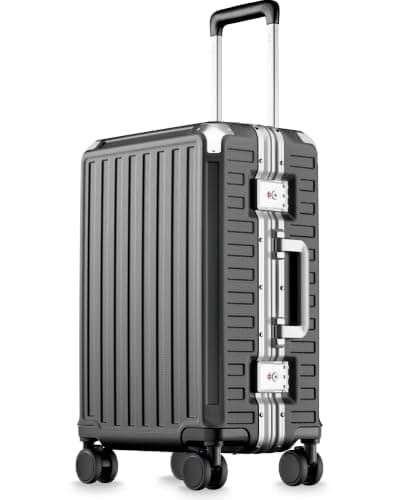
There is also a distinction the marketing works hard to blur, and you should get it straight before you buy. All-aluminum cases have metal panels; aluminum-frame cases have a polycarbonate or ABS shell with an aluminum perimeter frame carrying the latches. The frame designs get you the zipperless closure and most of the look, at a fraction of the weight and price. Roughly two-thirds of the cases sold as "aluminum luggage" are frame designs. Both are legitimate; only one of them is what most buyers think they are getting.
We ranked five on construction type, latch quality, weight and price. If you like the metal look but not the trade, the LEVEL8 Grace gets you aluminum trim on a normal polycarbonate case, and our materials guide compares all three shell types properly.
All-aluminum vs aluminum-frame: the distinction that matters
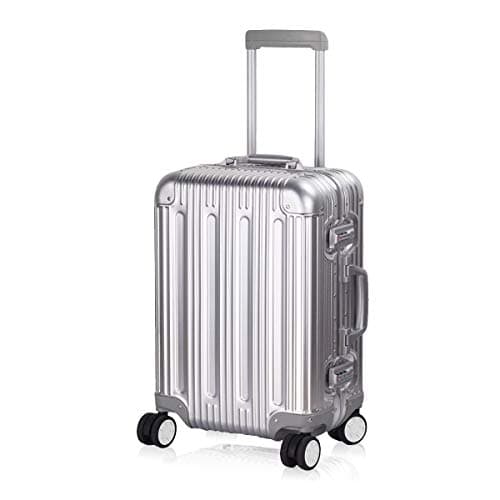
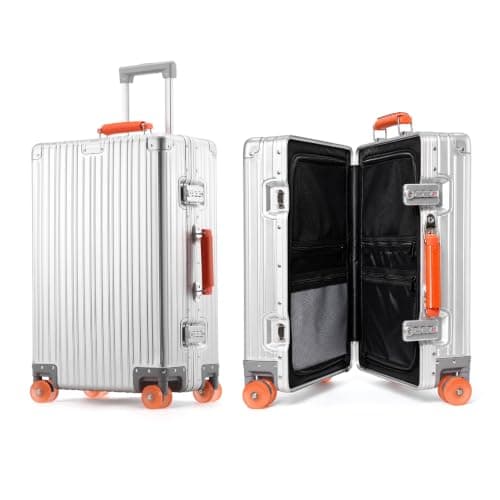
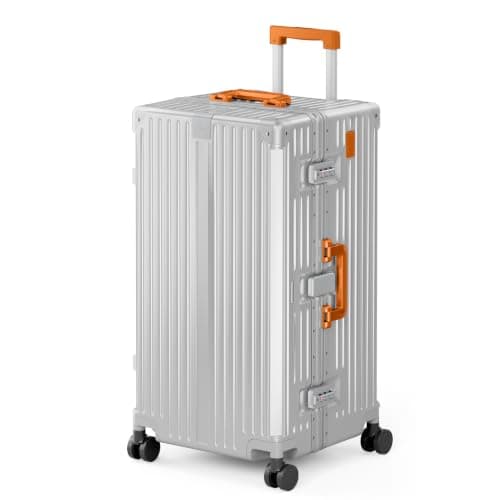
All-aluminum cases have metal panels front and back. They are the heaviest luggage sold, they dent, they patina, and they are what people picture when they picture aluminum luggage. Aluminum-frame cases have a polycarbonate or ABS shell with an aluminum perimeter that carries the latches. They weigh far less, cost far less, and give you the zipperless closure — which is the functional benefit — without the metal panels.
Product listings blur this constantly. The tell is in the photographs: if the flat faces of the case are the same material as the edges, it is all-aluminum; if the faces are textured plastic and only the rim is metal, it is a frame case. Neither is dishonest, but paying all-aluminum money for a frame case is a mistake worth avoiding.
Why zipperless is a genuine security upgrade
This is the part that justifies the whole category. A standard coil zipper can be separated with a ballpoint pen tip and then re-closed by running the sliders around, leaving the padlock intact and no external sign of entry. It takes seconds and it works on essentially every zippered bag. A latch closure has no such bypass — to open the case you have to defeat the latches, which leaves marks.
As our TSA lock guide puts it, a luggage lock is a deterrent rather than security, and that is doubly true when the zipper beside it can be bypassed. A latching case is the only structural answer, and it is the reason serious travelers gravitate toward aluminum despite the weight.
Living with dents
Aluminum records its history. Every conveyor belt, every curb, every tight overhead bin leaves a mark, and unlike polycarbonate — which flexes and springs back — those marks are permanent. Owners split cleanly into people who love this and people who are horrified by it after the first trip.
Decide which you are before you spend the money. If a scratched case would bother you, buy a textured polycarbonate shell from our hardside roundup instead — it will look newer for longer, weigh less, and cost less. The patina is not a defect, but it is not optional either.
The weight arithmetic
An all-aluminum carry-on typically runs several pounds heavier than a light softside case of the same size. On US domestic flights, where cabin bags are rarely weighed, that is a non-issue. On a carrier with a 7 kg cabin allowance it is a significant share of your total, spent before you pack a single item — the exact problem our international carry-on guide documents.
For a plain-English explanation of how a frame-latch closure works, what it removes and what it costs - before choosing between the all-metal and frame cases here - read our zipperless luggage guide.
What we would actually buy
The LEVEL8 aluminum-frame carry-on, for most people who want this. You get the closure that matters, at a weight and price that do not punish you, from the best-wheeled brand in the group. Buy the TRAVELKING if you want the real metal object and accept the weight. Buy the ALPHA CAMP if the bag you actually worry about is the checked one — which, honestly, it should be.