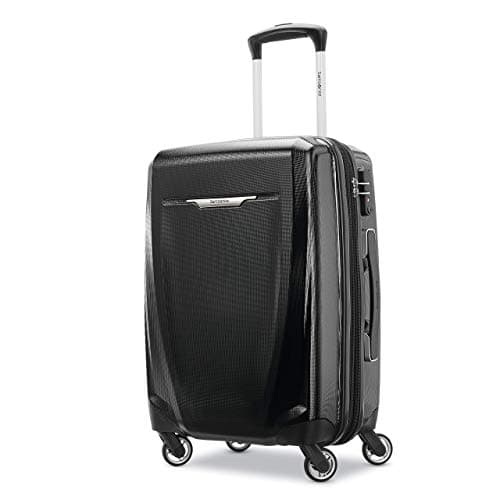
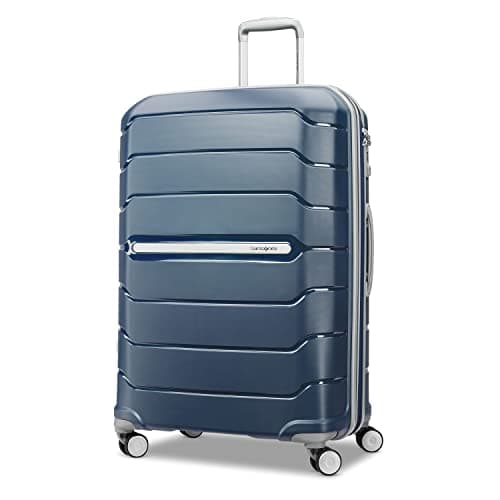
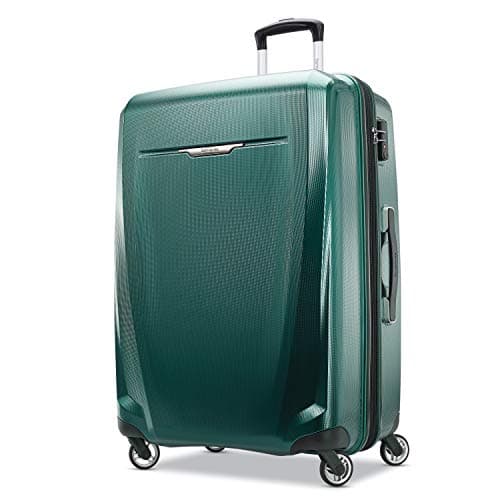
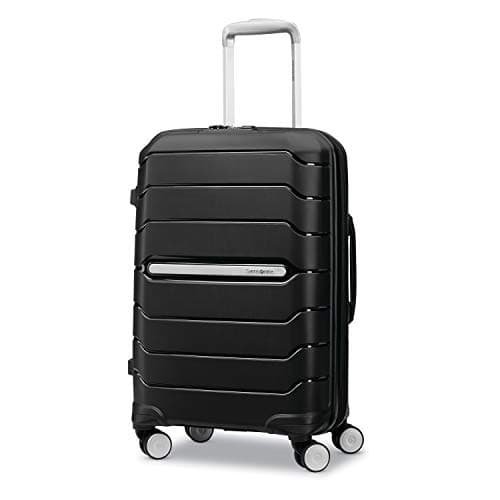
Polycarbonate is the tougher shell: it flexes under impact and returns to shape, holds its strength in a cold hold, and is the material to buy for a checked bag. Polypropylene is the lighter one - roughly a quarter less dense - and cheaper, and it is the material to consider for a carry-on that never leaves your sight and never gets thrown. Neither is ABS, the brittle budget plastic that both are usually sold against. The rest of this page is the detail behind those three sentences, and then four cases we already cover - two of each material - so you can see the trade-off with live prices attached.
What they are
Polycarbonate (PC) is an engineering thermoplastic with a density of about 1.20 g/cm3. It is the material of safety glasses, riot shields and the German Makrolon shells the premium brands advertise. Its defining property for luggage is impact toughness: a polycarbonate panel bends under a blow and springs back, rather than cracking. Polypropylene (PP) is a commodity thermoplastic with a density of about 0.905 g/cm3 - the material of reusable food containers and car bumpers. Its defining properties are low weight and flexibility: a polypropylene panel deforms under load without cracking, which is forgiving in an overstuffed trunk, but it is more likely to dent or warp permanently under a hard impact than polycarbonate is, and it can become brittle in cold conditions without additives.
Weight
Polycarbonate is roughly one-third denser than polypropylene, so for the same panel thickness a PP shell is lighter - which is why polypropylene is the lightest hardside material on the market and why the Samsonite Freeform line, which is polypropylene, is the site's lightweight-hardside pick. In practice makers mold PC thinner than PP because it is stronger, so the real-world weight gap between a PC case and a PP case of the same size is smaller than the density gap suggests - but PP still usually wins, and on a 7 kg cabin cap or a 23 kg checked limit that is clothes.
Toughness and how each fails
Polycarbonate offers much stronger impact resistance and returns closer to its original shape after a blow, which is what a checked bag needs through three baggage systems on a connection. Its weakness is cosmetic: glossy PC finishes show scuffs, which is why the better cases use textured shells. Polypropylene has moderate impact resistance - fine for a carry-on that is lifted and rolled, less fine for a hold - and its textured surfaces hide scuffs well. The failure to watch for on PP is permanent deformation: a corner that stays pushed in. Neither material cracks the way ABS does, and if your last case cracked, our cracked luggage guide explains which shells can be repaired. (Polypropylene is very difficult to glue; polycarbonate takes an epoxy repair reasonably well.)
Cold, heat and time
Polycarbonate performs well across a wide temperature range - it keeps its toughness in a cold cargo hold at altitude and does not soften in a hot car. Polypropylene can become brittle in the cold without additives, and extreme heat over long periods can soften it slightly. For a case that is checked on winter routes or lives in a trunk in summer, that is a point for polycarbonate. Both are stable over years of ordinary use; PP is generally easier to recycle and uses less material by weight.
Price
Polypropylene luggage is usually more affordable; polycarbonate often sits in a higher price range, and the German Makrolon-branded shells sit at the top of it. The exception is the "PC blend" or "ABS+PC" case, which is mostly ABS with some polycarbonate and should be priced - and judged - as ABS. Our polycarbonate vs ABS vs aluminum guide covers that comparison.
Which to buy
- Checked bag: polycarbonate, full rather than blended. Rough handling and a cold hold are the two conditions where it is clearly better.
- Carry-on on a weight-capped airline: polypropylene, if the case will not be gate-checked often. The empty-weight saving is real.
- Carry-on that gets gate-checked a lot: polycarbonate. The bins fill, the bag goes in the hold, and PC handles that better.
- Budget carry-on for occasional trips: either - but polypropylene over an ABS blend at the same price.
The four cases below are the polypropylene and polycarbonate cases from the site's own roundups that show the trade-off most clearly, with the scores they earned there. Prices are live; we have not lab-tested any of them - see how we test.
How to tell what a shell is made of
Read the listing's material line, and be suspicious of vague wording. "100% polycarbonate" or a named grade like Makrolon means polycarbonate. "Polypropylene" is usually stated plainly because it is a selling point on weight. "Hardside", "hard shell" or "ABS+PC" with no percentage almost always means an ABS-dominant blend. Weight is a second clue: for a given size, a case that publishes an unusually low empty weight is likely polypropylene; an unusually heavy one is likely ABS. Our how to choose luggage guide covers the rest of the spec sheet.
Why the same brand sells both
Samsonite makes the Freeform in polypropylene and the Winfield and Omni in polycarbonate for the same reason a carmaker sells a hatchback and an estate: different buyers, different jobs. The polypropylene line exists for the traveler whose constraint is weight; the polycarbonate lines for the traveler whose constraint is durability. Neither is the "better" line, and the brand's own roundup on this site ranks them by job rather than material. The Freeform review and the Winfield 3 DLX review are the two cases in full.
What about aluminum and ABS?
Aluminum is stiffer than either plastic, heavier than both, and dents rather than flexes; ABS is cheaper than either, heavier than PP for the same strength, and brittle. The four-way comparison is on the shell materials guide, and the lightweight luggage roundup ranks the field by empty weight regardless of material.