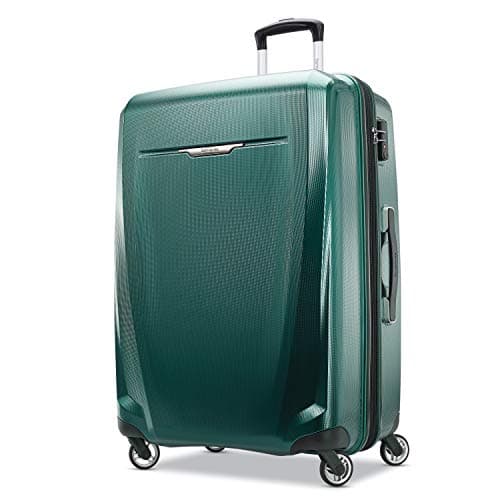
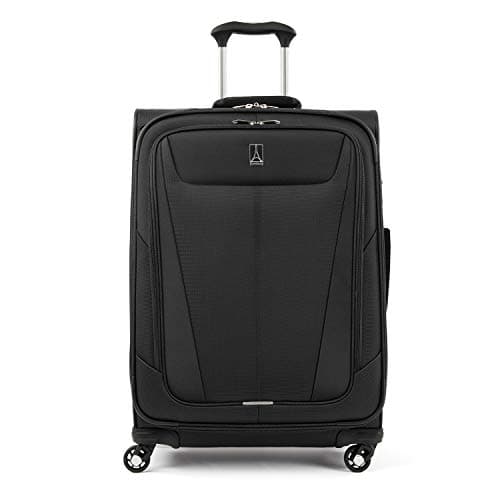
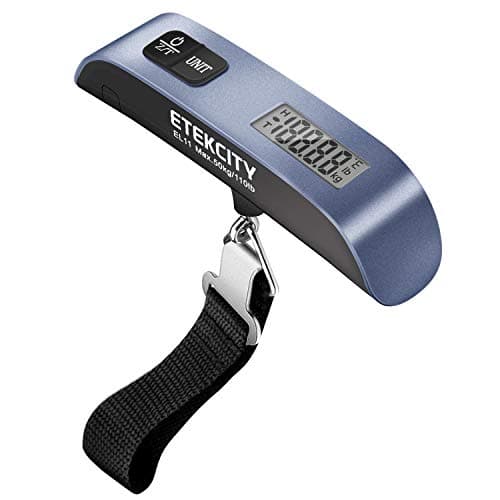
The rules for a checked bag are different from the rules for a carry-on, and in some ways looser: there is no 3.4-ounce liquids limit in the hold, full-size toiletries are fine, and knives and tools that cannot fly in the cabin can fly checked. But a handful of items that are allowed in the cabin are forbidden in checked baggage - spare lithium batteries, power banks, vapes, lighters, matches - because a fire in the hold cannot be fought, and the FAA writes the rules accordingly. What follows is quoted from the FAA's PackSafe chart and the TSA's item rulings, with the dates they carry; the final decision at the checkpoint always rests with the TSA officer, and airlines may add limits of their own.
Batteries: the rule most people break
Spare (uninstalled) lithium batteries, including power banks and phone battery cases, must be carried in carry-on baggage only. That is the FAA's wording, and it is the single most common checked-bag violation. Lithium ion batteries are limited to 100 watt-hours each; with airline approval you may carry up to two spares of 101-160 Wh. If your carry-on is checked at the gate because the bins are full, every spare battery and power bank must come out of it and stay with you in the cabin. Devices with batteries installed - a laptop, a camera - should travel in the cabin; if they go in a checked bag they must be completely powered off and protected against accidental activation.
Smart luggage follows the same logic: baggage equipped with a lithium battery must be carried on unless the battery is removed, and can be checked once the battery is out. Small location trackers powered by lithium batteries - the tag-style ones - are allowed in checked bags if the device does not exceed 0.3 grams of lithium metal or 2.7 watt-hours. Our USB charging luggage guide covers how the port-and-power-bank cases handle this.
Liquids, toiletries and aerosols
The TSA's 3.4-ounce (100 ml) container limit applies at the security checkpoint - to your carry-on. In a checked bag, liquids are unlimited in principle, but medicinal and toiletry articles - hairspray, hand sanitizer, aerosols, rubbing alcohol, nail polish and remover - are capped by the FAA: the total aggregate quantity per person cannot exceed 2 kg (70 ounces) or 2 L (68 fluid ounces), and each container must not exceed 0.5 kg (18 ounces) or 500 ml (17 fluid ounces). Aerosol release buttons must be capped or otherwise protected. Flammable aerosols that are not toiletries - spray paint, WD-40, cooking spray - are forbidden in both checked and carry-on bags. Aerosol insecticides are allowed checked only if not labeled as hazardous material.
Alcohol is allowed in checked bags with limits by strength: beverages over 24% and up to 70% alcohol (48 to 140 proof) are limited to 5 liters per passenger and must be in unopened retail packaging; 24% or less is not limited; over 70% (more than 140 proof) is forbidden in both checked and carry-on baggage. Pack bottles in the center of the case, wrapped in clothing.
Fire: lighters, matches, vapes
Not allowed in checked bags: lighters (disposable and Zippo-type, limited to one per passenger in carry-on or on your person), lithium-battery arc lighters, safety matches (one book, on your person or in carry-on), and electronic cigarettes and vaping devices, which are carry-on only and must be protected against accidental activation. Strike-anywhere matches are forbidden everywhere. If a carry-on is gate-checked, any lighter or matches in it must be removed and kept with you.
Sharp things and tools
Knives are not allowed in carry-on (except rounded butter knives and plastic cutlery) but are allowed in checked bags, sheathed or securely wrapped to protect baggage handlers and inspectors. Tools longer than 7 inches, and all power tools, must be checked. Small arms ammunition may be checked when packed in fiber, wood or metal boxes designed for it; firearms must be declared to the airline and follow its procedure. Dry ice is limited to 5.5 pounds, vented and marked, with airline approval.
What to keep out of a checked bag regardless
Anything you cannot afford to lose or arrive without: medication, passports and documents, electronics, jewelry, keys, and a change of clothes. A checked bag is delayed or mishandled often enough that this is not paranoia, and airline liability for domestic baggage is capped - carriers may not limit it below $4,700 per passenger, but they can and do exclude valuables. The carry-on companion to this page is our what not to pack in a carry-on guide, and the cabin liquids rule is on the carry-on liquids page.
Packing a checked bag around the rules
With the rules in front of you, the checked bag's job is clear: clothes, shoes, full-size toiletries under the 70-ounce cap with buttons capped, wrapped bottles, and the knives and tools that cannot fly in the cabin - and nothing with a spare battery in it. Three pieces of kit make that easier, and all three are products the site already covers on its own roundups, with the scores they earned there. Prices are live; we have not lab-tested them - see how we test.
The gate-check trap
The rules above apply to a checked bag whether you checked it at the counter or it was taken at the gate because the overhead bins filled. The second case is where people get caught: a carry-on packed with a power bank, a spare camera battery and a lighter is fine in the cabin and prohibited in the hold, and when the gate agent tags it, those items must come out and stay with you. Pack them in the personal item, never in the carry-on, and the problem never arises. Our personal item bag roundup covers the bag that stays under the seat.
Airlines add rules of their own
The FAA and TSA rules are the federal floor. Airlines may restrict further - on the number of vaping devices, on alcohol on international routes, on firearms procedures, on dry ice - and international carriers and destination countries add customs rules on top. Check your airline's baggage page before you fly with anything on this list, and expect the foreign leg to be stricter than the domestic one. Size and weight limits are a separate set of rules, covered on our checked bag size and weight guide.
Locks, and why they should be TSA-recognized
Checked bags are screened, and a screener who needs to open one will. A lock carrying the Travel Sentry or Safe Skies mark can be opened with a master key and relocked; any other lock gets cut off and the bag is left unlocked. Built-in locks on the case are better than padlocks, which snag on belts. The full explanation is on our TSA luggage locks guide.
Photograph it, tag it, weigh it
Before the bag goes on the belt: photograph the packed contents and the closed case, because a claim for damage or loss needs evidence; put a tag on the outside with an email address and a second copy inside the lid; and weigh it at home so the counter is not the first scale it meets. If it comes back damaged, report it before you leave the arrivals hall - deadlines are short, and our cracked luggage guide walks through the claim.