Yes, cracked luggage can often be repaired - but the useful question is whether you should, and the answer depends on who cracked it and where. If a shell comes off the carousel split, the airline claim comes first and it has a deadline measured in hours. If it cracked in your own hands, the warranty comes next, and most exclude impact damage. Only then does a repair make sense, and a repair on a hardside shell is a patch: it restores the case for the next trip, not to new. Here is the sequence, how to judge whether a crack is repairable at all, and what to buy if it is not.
Step one: the airline, before you leave the airport
If the case was checked and came back cracked, go to the airline's baggage service office in the arrivals hall before you leave the building. The deadlines are short and they are enforced: Delta, for example, requires damage on domestic tickets to be reported within 6 hours of arrival (for tickets issued from October 8, 2025; 24 hours before that) and within 7 days for international tickets, and states that a claim outside those windows will not be accepted. Other US carriers set similar windows. Federal rules set a floor on what the airline can limit its liability to: for domestic flights, an air carrier may not limit liability for lost, damaged or delayed baggage to less than $4,700 per passenger (14 CFR 254.4).
What airlines routinely decline: normal wear and tear, pre-existing damage, minor cuts and scratches, broken zippers attributed to over-packing, and unsuitably packed items - Delta lists exactly those. A cracked shell from handling is not on that list, which is why a prompt report usually results in a repair, a replacement, or a payment. Photograph the crack before you leave the hall, keep the bag tag and the reference number, and follow up online with the claim form.
Step two: the warranty, and what it excludes
Most luggage warranties cover defects in materials and workmanship for a stated term and exclude damage caused by airlines, wear, and misuse. A crack from a hold impact is airline damage, not a defect, and a conventional warranty will say so. The exceptions are the reason to buy them: Briggs & Riley's guarantee repairs the bag regardless of cause. Travelpro's Trusted Companion Promise covers the cost of repairing damage caused by an airline or other common carrier on its core collections, provided the bag was registered within 120 days of purchase. If your case is under one of those, use it. If not, a crack that appeared without an impact - along a mold line, around a handle mount, in a case that was never dropped - may genuinely be a defect and is worth submitting. Our luggage warranties guide lists what each major brand covers.
Step three: judging the crack
Three things decide whether a repair is worth attempting. Where it is. A crack in a flat panel is a candidate; a crack through a wheel housing, a handle mount or the frame at the zipper is not - those are structural, and a patched wheel housing fails the next time the case is full. How long it is. A few inches in a panel can be stabilized; a crack that runs a corner or crosses the case is a case that will keep cracking. What the shell is. Polycarbonate flexes and takes an adhesive repair reasonably well; ABS is brittle and cracks propagate from the repair; polypropylene is difficult to glue at all - our polypropylene vs polycarbonate guide explains why. Any repair weakens the panel around it, so a repaired case should be treated as a case on borrowed time, not a case restored.
If the crack is not repairable: what to replace it with
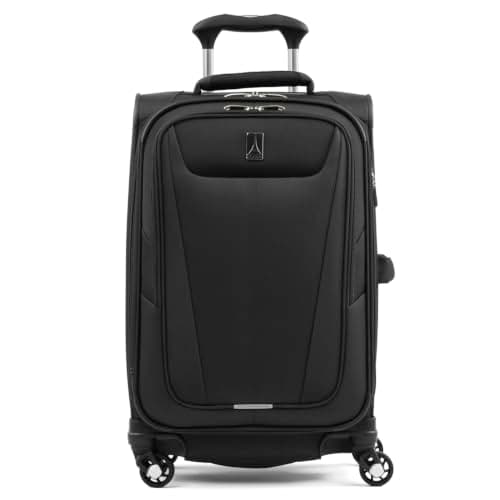
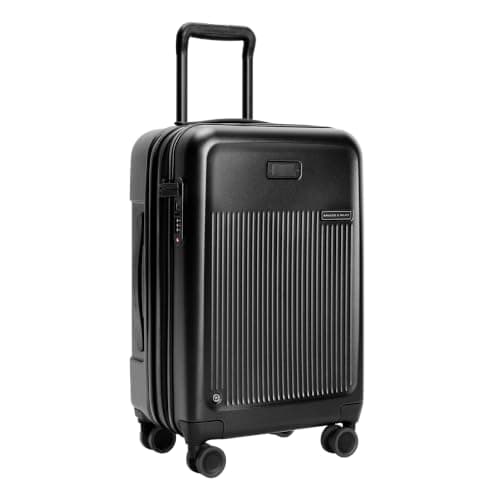
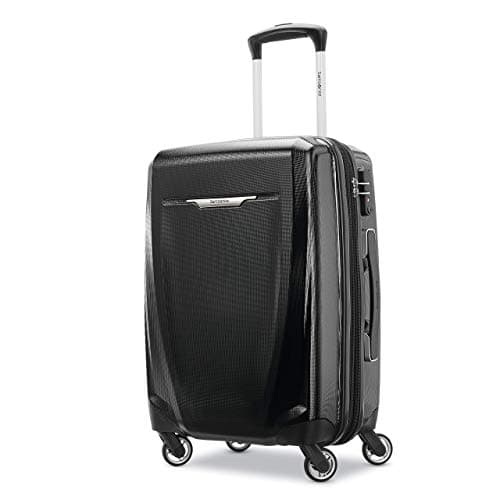
A shell that cracked at a wheel housing, a handle mount or a corner is done, and the replacement should be chosen for the failure that killed the last one. That means full polycarbonate rather than an ABS blend, a brand with a service network that replaces parts, and - if the case will be checked often - a warranty that covers what an airline does to it. The three cases below are the ones from the site's own roundups that best answer a cracked-shell replacement, with the scores they earned there; prices are live, and we have not lab-tested them - see how we test.
If you do repair it: what works, and what does not
We have not tested these repairs ourselves, and we would not trust any of them on a structural part of the case. For a crack in a flat panel, the methods that repair guides and owner forums describe consistently are: stop-drill a small hole at each end of the crack so it cannot keep running; clean the area with isopropyl alcohol and roughen it with fine sandpaper so an adhesive has something to key into; then bond the crack with a two-part epoxy applied from the inside of the shell (unzip the lining to reach it), with a fiberglass or fabric patch over the epoxy for a longer crack. A plastic welding kit makes a stronger repair on polycarbonate but takes practice. Moldable putties and duct tape are stopgaps for one more trip, not repairs. Whatever you use, let it cure fully before the case is packed - a repair loaded early fails immediately.
What a repair shop can do
Brand-authorized repair centers - Samsonite, Travelpro and Delsey all run networks - will assess a cracked shell and will usually tell you honestly that a shell panel is not a repairable part; what they can replace is wheels, handles, locks and zippers. A cracked shell on an in-warranty case with a genuine defect gets a replacement case, not a patched one. An independent luggage repair shop may bond or rivet a plate over a panel crack on a case worth saving; the cost is usually only justified on a premium case.
Preventing the next one
Most shell cracks happen in the hold, at a corner, on a case that was packed full and hard. Three habits reduce them: keep the case a little under full so the shell can flex on impact rather than being braced from inside; put the heaviest items low and central, over the wheels, rather than against a panel; and use the built-in lock rather than a padlock that snags on belts and levers a corner. Choose full polycarbonate over ABS on a bag that gets checked, and read our most durable luggage roundup for the cases built around how bags fail. If the failure was a wheel or a zipper rather than the shell, our wheel replacement and zipper repair guides cover those.