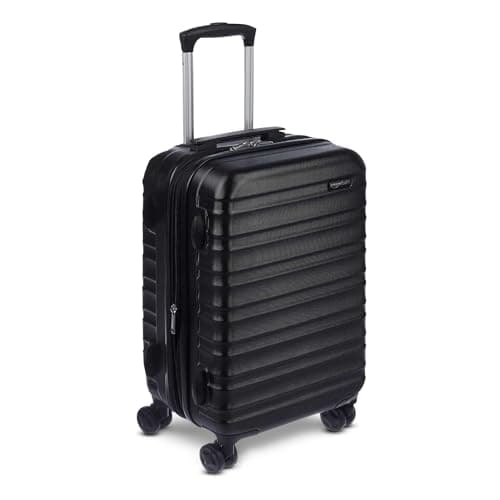
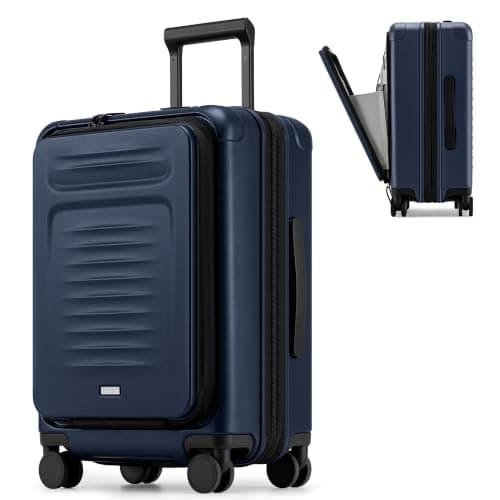
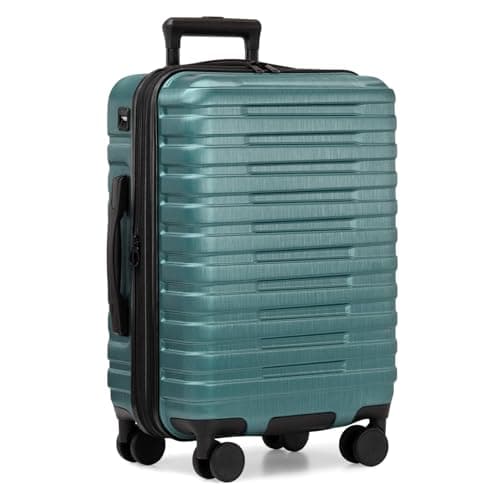
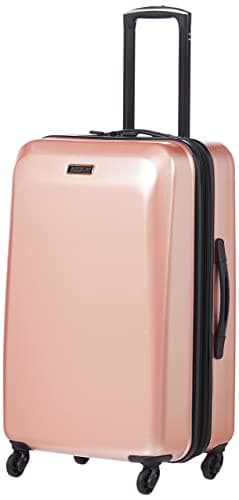
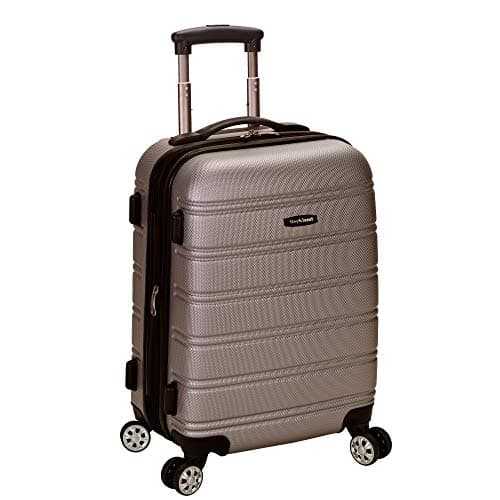
A cheap carry-on is a perfectly rational purchase if you fly a few times a year — and a false economy if you fly monthly. The honest framing for this page is that under about $120 you are buying a bag that will do the job for a handful of trips, and the ranking below is about maximizing how many trips that is.
Two things separate a good budget bag from a bad one, and neither is the price. The first is shell material: most cheap hardsides are ABS, which is more brittle than polycarbonate and likelier to crack in cold cargo holds. The second is wheels, which are the part that actually fails — single casters bolted to a thin shell are the most common reason a budget bag dies. Where a pick makes those compromises, we say so.
If your bag is going to fly more than a few times a year, spend the extra and read the full carry-on roundup instead — a $150 bag that survives forty trips is cheaper per trip than a $50 bag that survives eight.
What you actually give up under $120
Three things, in order of how much they matter. Shell material drops from polycarbonate to ABS or an ABS blend, which is more brittle and likelier to crack in a cold cargo hold. Wheels go from paired, sealed-bearing casters to single casters on thinner mounts, and wheels are the number one luggage failure. Warranty goes from ten years or lifetime to effectively nothing, which also means no replacement parts. Interior finishing and zipper quality follow, but those are annoyances rather than failures.
The cost-per-trip test
The useful question is not what a bag costs but what it costs per trip. A $45 case that survives eight trips runs about $5.60 a trip. A $115 polycarbonate case with a 10-year warranty that survives forty runs under $3. If you fly twice a year the cheap bag wins outright, because it will age out before it wears out. If you fly monthly, it is the most expensive option on the page.
Where cheap is genuinely fine
Occasional domestic flying, road trips, a spare bag for guests, a kid's first suitcase, or a bag you expect to abandon abroad. In all of those, the Rockland or Amazon Basics is a sensible purchase and spending more is waste. What cheap is not fine for: frequent flying, international routes with strict sizers, or anything fragile inside.
What we would actually buy
If the budget is hard, the Amazon Basics — the returns process is worth more than the small quality gap over the Rockland. If it can stretch, the American Tourister Moonlight, which is the only pick here with a real polycarbonate shell and a decade-long warranty. The Coolife is the best middle ground if you want the laptop pocket.
How we picked
We did not lab-test these bags
Everyone in this category says they tested twenty suitcases. We have not lab-tested any of these, and we say so. What we did instead: compiled each bag's published specifications, checked its dimensions against the airline sizers, ran the cost-per-trip and weight-to-capacity math, read the aggregated owner reviews, and scored every pick against a published rubric. The scores are judgments from documented research — not measurements we took, because we do not have a lab and we will not pretend we do. Where a number came from someone else's work, we name them in Sources.