The single most useful thing you can do when packing a checked suitcase is stop optimizing for space. On a checked bag the binding constraint is almost never volume - it is the 50 lb (23 kg) limit nearly every US carrier applies, and you will reach it before a 24-inch case is full and well before a 28-inch one is. So the method is: weigh the empty case, subtract it from 50, and pack to the number that is left. A 9 lb medium case gives you a 41 lb budget. That number, not the lid closing, is what tells you when you are done.
This is the opposite of packing a carry-on, where the constraint is a rigid gate sizer and volume is everything - US carriers generally do not weigh cabin bags at all. If that is the bag you are packing, go to how to pack a carry-on instead; the two problems have different answers and mixing them is why people arrive overweight with a half-empty suitcase. Published empty weights by size are in how much does luggage weigh, and the caps by carrier are in checked bag size and weight limits.
Step 1: find your real budget
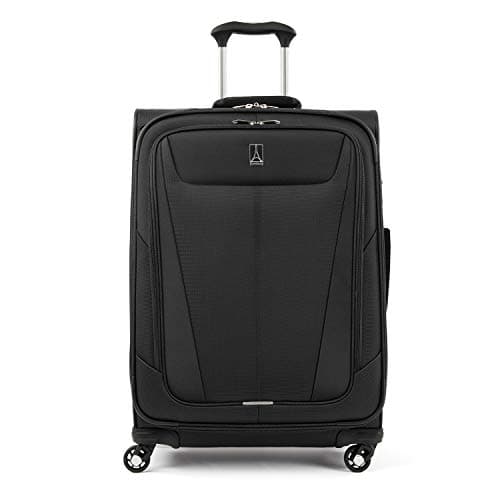
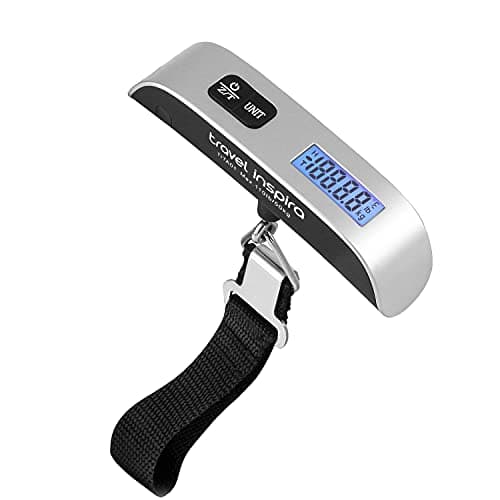
Weigh the empty case once with a hanging scale and write the figure inside the lid. For reference, published manufacturer weights for cases this site covers run 8.75 to 9.4 lb for a 24 to 25-inch medium and over 11 lb for a 28-inch large. Subtract from 50. Now you know what you are working with, and you never have to guess again - from then on you only weigh the contents.
The second half of this step is the one people skip: decide what does not go in this bag. Anything dense and small - a laptop, a camera, books, chargers, shoes you will wear - should ride in your cabin bag or personal item, because US cabin bags are measured rather than weighed and that is free allowance you are not using. This single move is worth more pounds than every folding technique combined.
Step 2: load the bag in the right order
Heaviest items at the wheel end, flat against the back panel - the end that sits on the floor when the case stands up. A case with its weight low and against the frame tows straight; a case with weight at the handle end levers over sideways and puts exactly the kind of side load into the wheel mounts that shears casters off. This is a durability instruction as much as a packing one.
Shoes at the perimeter, soles out, each in a bag. Shoes are rigid, so they belong in the places nothing else fits - along the edges and in the corners - and they are the dirtiest thing in the case, so they go in bags. Lining tears start at the corners from unbagged soles. Stuff socks inside them; that volume is free. Full method in how to pack shoes in a suitcase.
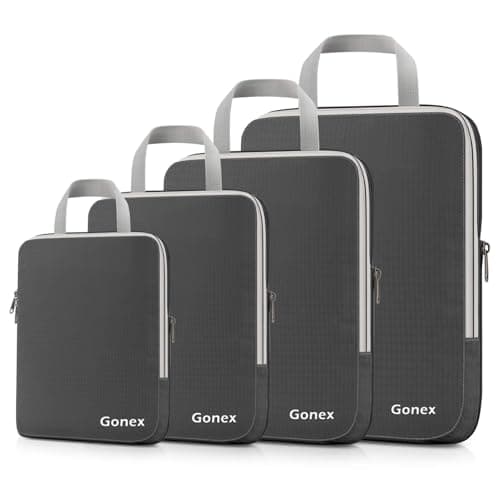
Soft bulk in the middle. Knitwear, fleece, a down layer - this is the material that compresses, so it is the material that earns a cube if you use them.
Structured clothing flat on top. Shirts, jackets, anything tailored or linen. Top of the pile, flat, nothing heavy on it.
Liquids in a sealed bag, upright, near the wheels. Pressure changes and baggage handling do what you would expect. One bag inside another is not paranoid.
Step 3: roll or fold - the honest version
Both, for different items, and the internet's insistence on one universal answer is why this confuses people. Roll knits, t-shirts, jeans, underwear and anything casual: rolling removes the air pocket a fold creates and the resulting cylinders pack into irregular gaps. Fold anything with a structured shape or a crease that is supposed to be there - dress shirts, tailored trousers, jackets, linen. A roll puts a soft curve through fabric that was cut to hang flat, and on a cotton shirt that is a wrinkle you cannot shake out.
The technique worth knowing for the folded layer is interleaving: lay garments across the case so each one drapes over the edge, then fold the overhanging ends back over the pile at the end. There is no hard crease anywhere, because every fold happens over a cushion of other clothing rather than over itself. It is slower than rolling and it is the best thing you can do for a shirt you need to wear on arrival. For a suit specifically, use the dedicated method in how to pack a suit or a proper garment bag.
Step 4: arrive without creases
Four things, in order of effect. Pack the case full. A loose bag lets contents shift and settle into new folds for the whole journey; a firmly packed one holds everything in the shape you put it in. Fill gaps with socks rather than leaving air. Keep tailored items on top and unweighted. Use tissue or a dry-cleaning bag between layers of anything you really care about - the slip layer stops fabric gripping fabric, which is what sets a crease. Unpack immediately on arrival and hang things in the bathroom while you shower; steam does more than an iron and costs nothing.
Step 5: weigh it before you leave the house
Not at the desk, where your options are a fee or a public repack. Weigh the packed case at home, and if you are over, move dense items into the cabin bag rather than taking things out of the trip. The bathroom-scale method - stand on it holding the bag, subtract your weight - compounds two readings and is routinely three or four pounds out, which is precisely the margin that matters. A hanging scale costs very little and removes the problem permanently.
What to buy, if the bag is the problem
Three registry picks, each researched on its own roundup, covering the three things that actually move the number: a scale so you are working with facts, compression cubes for the soft bulk, and the lightest checked case the site covers - because every pound the case does not weigh is a pound you get to pack.
Packing for a trip length
The honest mapping, and the reason it is not a list of outfits: what decides case size is laundry access, not days. With a wash halfway through, a 24-inch medium covers two weeks comfortably. Without one, the same case covers about seven to ten days of varied clothing. A 28-inch large does not meaningfully extend that, because you hit 50 lb first - what it actually buys you is bulk capacity for light things: winter coats, bedding, sports kit. Our what size luggage for a week maps trip length to case size properly, and best 24-inch luggage makes the case for the medium.
The five heaviest things in a typical suitcase
In rough order, and all five are addressable. Shoes - the worst weight-to-usefulness ratio in any bag; two pairs plus the pair you wear is almost always enough. Books - the worst weight-per-volume item that exists; this is what e-readers are for. Full-size toiletries - water is dense and most of this is replaceable at the destination. Denim and outerwear - wear the heaviest coat and the heaviest jeans rather than packing them. Chargers and electronics - dense, small, and belong in the cabin bag where nothing is weighed.
What goes in the hold and what cannot
Worth checking before you pack rather than after, because the list is less obvious than people assume - spare lithium batteries and power banks, for instance, are generally prohibited in checked baggage and must travel in the cabin. Our checked luggage rules guide covers what can and cannot go below, and what not to pack in a carry-on covers the other direction. Cabin liquids still follow the 3-1-1 rule regardless of what is in the suitcase - carry-on liquids rules.
Lock it, tag it, track it
Three small steps at the end that are worth more than any folding method. Use the integrated TSA lock if the case has one, or a TSA-approved padlock if it does not - our TSA lock guide explains why the approval matters. Put a tag on the outside and a second identification card inside the lid, because external tags get torn off by belts. And drop a tracker in the lining; if the bag does not arrive, the difference between knowing where it is and not knowing is the whole experience - see best luggage trackers, best luggage tags and, if it goes wrong, airline lost my luggage.