A 24 or 25-inch checked-medium, which is about 70 to 80 liters. That is the size that matches a 23 kg (50.7 lb) allowance, and the reason is arithmetic rather than preference: clothing and shoes pack at roughly 0.2 to 0.3 kg per liter, so 80 liters of packed belongings weighs about 16 to 24 kg, and once you add a 4 to 5 kg empty case you are at the limit. A 28-inch case — 100 liters or more — will be overweight before it is full, which is the single most common way travellers pay a fee they did not expect.
The second thing to know is that 23 kg is a weight limit, not a size limit, and your bag has to clear both. Most international carriers also publish a dimension cap of 158 cm total, which is 62 linear inches — height plus width plus depth, measured over the wheels and handle. A 24 or 25-inch case clears that comfortably; a 28-inch case is frequently at or past it. So the medium size is not a compromise between the two limits. It is the size that satisfies both.
The arithmetic, step by step
Here is the working, so you can adjust it to what you actually pack — down jackets and hiking boots are not the same material as linen shirts.
| What you are packing | Approximate density | 80 L of it weighs |
|---|
| Light clothing, loosely packed | ~0.15 kg/L | ~12 kg |
| Mixed clothing, normally packed | ~0.2 kg/L | ~16 kg |
| Mixed clothing with shoes, compressed | ~0.3 kg/L | ~24 kg |
| Books, toiletries, equipment | 0.5 kg/L and up | 40 kg and up |
Read the third row against the allowance. Eighty liters of normally-packed clothing with shoes already reaches about 24 kg before the case is counted — which is why a 70 to 80 liter case is the right size rather than a generous one. And read the fourth row as the warning it is: if you are moving books, equipment or anything dense, volume stops being the constraint entirely and you should be packing a small case and watching the scale, not buying a big one.
Why the empty weight of the case matters so much
Because it comes out of your 23 kg, not the airline's. A case that is 4.2 kg empty leaves you 18.8 kg of belongings; one that is 6 kg empty leaves you 17 kg. That 1.8 kg difference is a pair of shoes and a jacket. These are published manufacturer figures from the live listings, not measurements we took:
| Checked case | Published empty weight | Published size / capacity | Left of 23 kg |
|---|
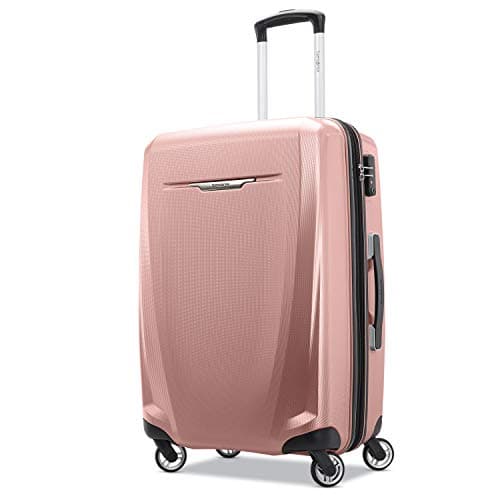
| Samsonite Winfield 3 DLX Checked-Medium, 25-inch | 9.3 lb (4.22 kg) | 55.65 linear inches | ~18.8 kg |
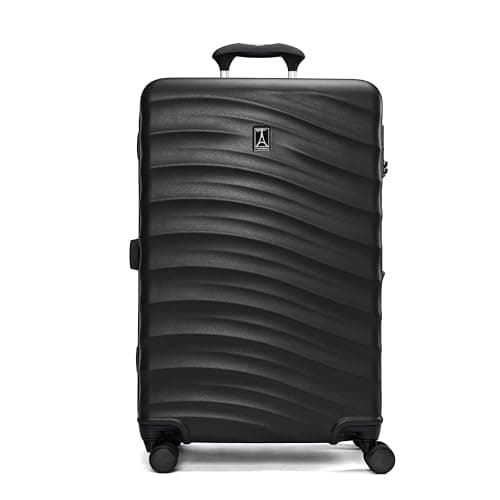
| Travelpro Maxlite Air V2 Checked-Medium, 25-inch | 9.4 lb (4.26 kg) | 76 L published | ~18.7 kg |
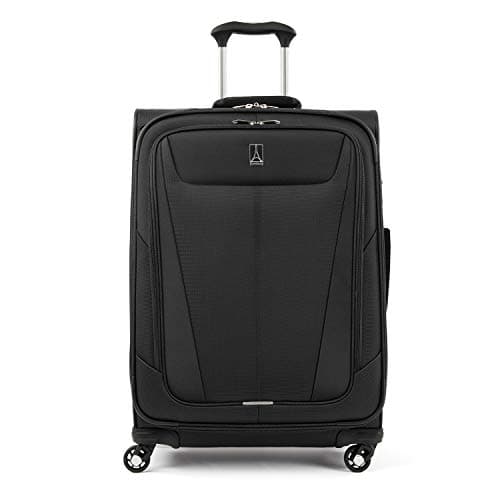
| Travelpro Maxlite 5 Checked Medium (softside) | Not published for this listing | Medium checked size | Not calculable from published figures |
| Amazon Basics 26-inch hardside checked | Not published for this listing | 26-inch case | Not calculable from published figures |
Note the two blanks. Where a manufacturer does not publish an empty weight for a listing we leave the row empty rather than estimating one — an invented figure in a table about weight allowances is worse than a gap. If the exact number matters to your packing, weigh the case at home before your first trip; it takes one minute and it is the only figure that is certainly true.
What 23 kg is in other units
Because the queries ask in all of them. 23 kg is 50.7 lb, which is why US carriers commonly publish 50 lb and international ones publish 23 kg — they are deliberately almost the same number. In liters there is no conversion, and that is the trap in the question: liters measure volume and kilograms measure mass, so the answer depends entirely on what you put inside. The practical translation is the density table above: at normal packing density, 23 kg of belongings occupies somewhere around 75 to 110 liters, which is why a 70 to 80 liter case is the right match and a 100-liter case invites you to exceed the limit. In inches the relevant limit is a different one: 158 cm / 62 linear inches total, which is a dimension cap rather than a weight one. Our checked bag size and weight limits guide covers the dimension side in full and how to measure luggage has the measuring method.
The 28-inch trap
This is worth being blunt about, because almost every three-piece luggage set sold includes a 28-inch case and almost nobody explains the consequence. A 28-inch case holds 100 liters or more. At normal packing density that is 20 to 30 kg of contents, plus 5 to 6 kg of case — so a fully packed 28-inch suitcase is routinely 25 to 36 kg against a 23 kg allowance. The case is not faulty and you have not done anything wrong; the bag is simply bigger than the allowance permits, and the only way to fly it legally is to leave it part-empty, which defeats the purpose of buying it.
So the sensible uses for a 28-inch case are the ones with no weight limit: driving trips, cruises where the bag is carried aboard rather than weighed, moving, and storage. For flying on a 23 kg allowance, buy the medium. Our best 28-inch luggage page covers the format for the trips it suits, best 24-inch luggage covers the size that matches the allowance, and luggage sets for international travel explains why two-piece sets beat three-piece ones for flying abroad.
What to do if you are over at the airport
In order. Move dense items into your carry-on or your coat — shoes, books and electronics are the highest weight per liter you are carrying, and a kilogram moved is a kilogram off the scale. Wear the heaviest layer. Check whether the carrier sells extra weight rather than a second bag, as many do, and compare the two prices before you choose. Split into two bags only if your fare includes a second one, since a second-bag fee is usually worse than an overweight fee for a small excess. The one thing not to do is argue — the scale is the arbiter, exactly as the sizer is at the gate, and the cabin-bag version of this problem is covered in what happens if your carry-on is too big.
The cases that match the allowance
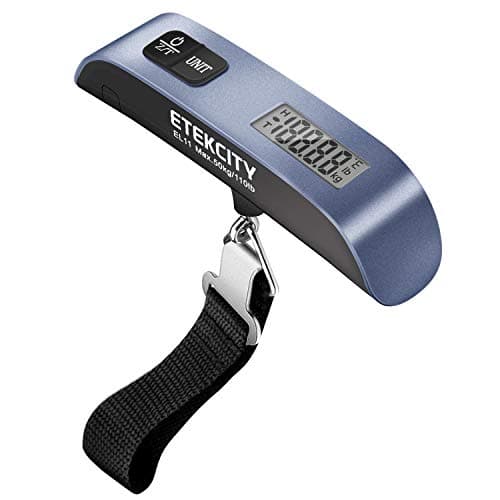
Chosen on the published figures in the table above — the medium size that fits both the weight and the dimension limit, in both shell and fabric, plus the one accessory that actually prevents the fee.