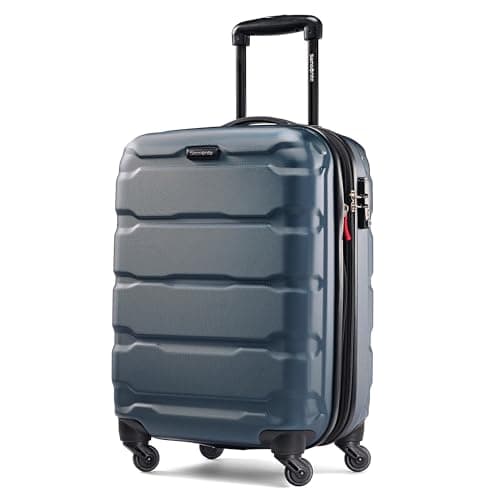
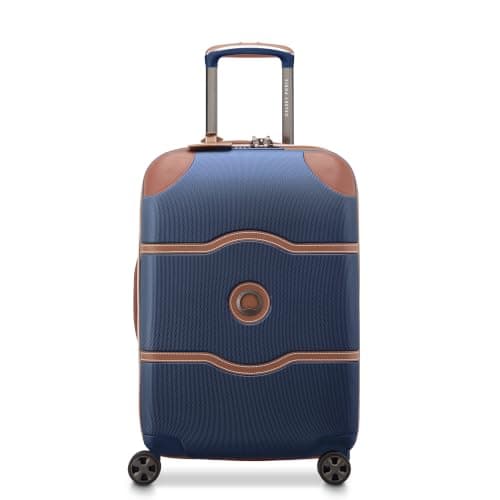
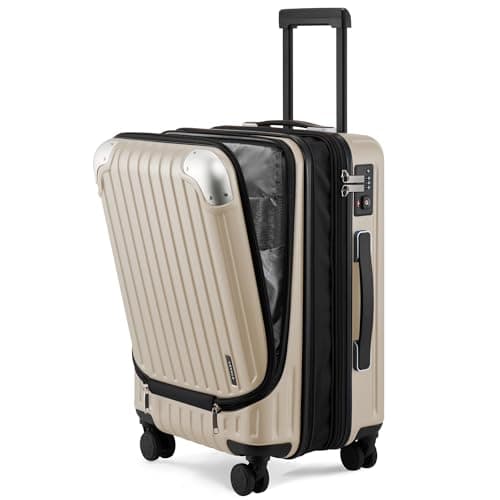
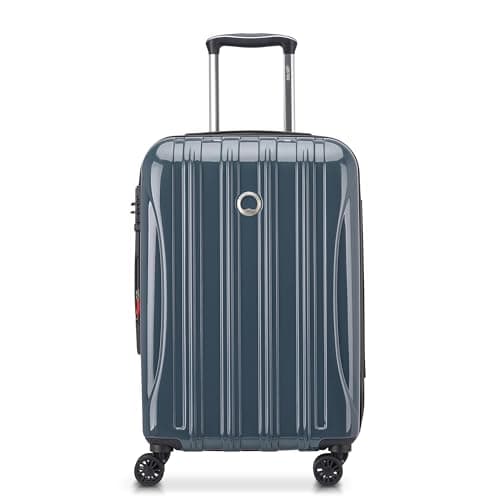
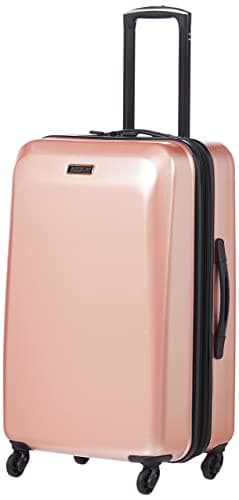
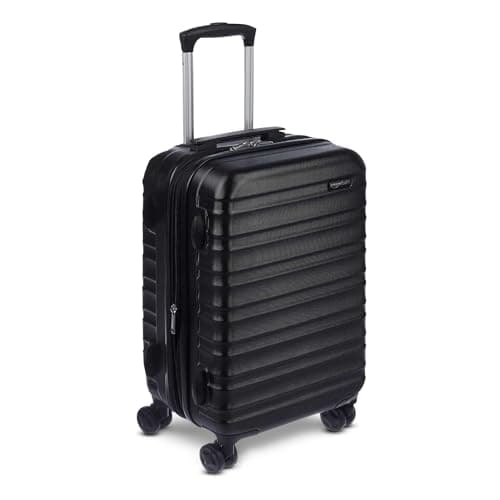
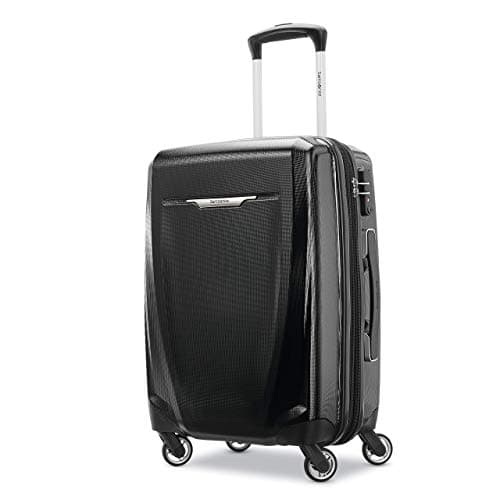
The best hardside luggage is a full polycarbonate shell on smooth spinner wheels, backed by a warranty long enough to prove the maker trusts it — and the Samsonite Winfield 3 is that bag for most people. We ranked seven of the most-bought hardsides on Amazon the same way: shell material, empty weight, wheel quality, durability and value. No lab, no favorites — just the numbers and what owners consistently report.
Shell material is the one spec most listings bury, so start with the polycarbonate vs ABS vs aluminum guide — it decides whether a bag lasts a decade or a season. Still torn between a hard and soft shell? The hardside vs softside guide lays out the trade, and if wheels are your priority see our best spinner luggage breakout.
What actually makes a hardside last
Look past the finish and check three things. Shell material comes first: polycarbonate flexes under impact and springs back, so it resists cracking and is lighter for its strength; ABS is cheaper and heavier for the same protection, and more likely to crack in cold weather; polypropylene sits between the two, light but a little more flexible under load. Every pick here names its shell so you are never guessing. Wheels are the part that fails first — smooth, quiet double spinners that track straight are worth more than any styling. Warranty is the tiebreaker: a 10-year or limited-lifetime term is the maker betting on its own wheels and zippers.
Hardside or softside?
A hard shell protects fragile contents, wipes clean and shrugs off rain, but the volume is fixed and glossy finishes show every scuff. Softside flexes to overstuff into a tight bin, usually adds an external laptop pocket, and tends to weigh less — at the cost of weather resistance and a scuffable face. Neither wins outright; it is a real trade, laid out fully in our hardside vs softside guide. If you have landed on hard, the materials guide settles which shell to pay for.
Where a hard shell costs you: the international weight cap
One thing a US-written hardside roundup tends to skip. Molded shells are heavier than fabric ones for the same capacity, and on the many international carriers that cap the cabin bag at 7 kg — about 15.4 lb, bag included — that weight comes straight out of your clothing allowance. A 3.5 kg hardside carry-on leaves you 3.5 kg of belongings; a 1 kg travel backpack leaves you close to 6. If a meaningful share of your flying is weight-capped or on European low-cost carriers, read our international carry-on size guide before you buy a shell at all, and compare the alternative in best carry-on backpacks for international limits. For domestic flying and anything fragile, the hard shell is still the right call and the picks above stand.
What about Away, Monos and the direct-to-consumer brands?
They are genuinely good bags and they cost a multiple of what the picks on this page do for a comparable polycarbonate shell. One thing has changed recently and is worth knowing: Away now lists The Carry-On on Amazon as well as selling direct, and Monos has followed through its own Amazon storefront, while Béis and Rimowa remain direct-only. If you are cross-shopping, our Away The Carry-On review takes that bag apart on its own published figures, our Away vs Monoscomparison covers the two head to head including Away's 2026 warranty change, and Monos vs Rimowa shows what the aluminum premium actually buys once you put the weight and capacity numbers side by side.
What we would actually buy
For most people the Samsonite Winfield 3 is the safe default — full polycarbonate, smooth spinners and a 10-year warranty at a fair price. Want the same shell for less? The Omni PC is the value bestseller. If looks matter, the LEVEL8 Grace is the modern pick and the Delsey Chatelet Air 2.0 the vintage-luxe one. Shopping to a budget, the Delsey Helium Aero is the smart-value hardside — and skip the Amazon Basics unless you only fly once or twice a year.
How we picked
We did not lab-test these bags
Everyone in this category says they tested twenty suitcases. We have not lab-tested any of these, and we say so. What we did instead: compiled each bag's published specifications, checked its dimensions against the airline sizers, ran the cost-per-trip and weight-to-capacity math, read the aggregated owner reviews, and scored every pick against a published rubric. The scores are judgments from documented research — not measurements we took, because we do not have a lab and we will not pretend we do. Where a number came from someone else's work, we name them in Sources.