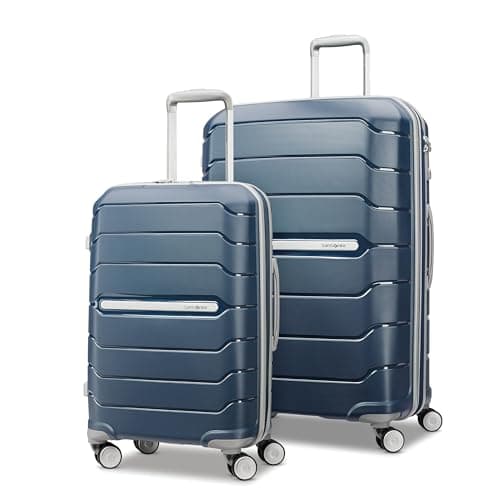
A two-piece set is the size most people should buy, and almost nobody does — because three-piece sets look like better value on the shelf. They usually are not. The third piece in a 3-piece set is normally a 28 or 30-inch case that is too large to fill without exceeding the 50 lb airline weight limit, and it lives in a closet. A two-piece set gives you the two bags you genuinely use: a carry-on and one checked case.
We ranked five sets on the numbers that decide whether a set is real value rather than bundled padding: cost per usable piece, shell material, empty weight, wheels, and warranty. A $269 set of two bags you fly with constantly is better value than a $130 set where one piece never leaves the house — that arithmetic is the entire point of this page.
The composition to look for is 20/21-inch carry-on plus a 24-28 inch checked case. Skip sets where the second piece is a 30-inch monster: a 30-inch case filled with anything denser than clothes will blow past the standard 50 lb checked limit and cost you an overweight fee, as our checked bag limits guide explains. Bigger is not more capacity, it is more fee exposure.
One more rule before the picks. In a set, the carry-on is the piece that matters, because it is the one you will use ten times more often. If the set's carry-on is a bag you would not buy on its own, the set is not a bargain — it is a checked bag with an unwelcome accessory. Every pick below was judged on its carry-on first.
Why two pieces beats three
Run the arithmetic on a typical 3-piece set. You get a 20-inch carry-on, a 24-inch checked case and a 28 or 30-inch checked case. The 28-inch piece can hold around 100 liters — but the airline caps a checked bag at 50 lb before overweight fees start, and 100 liters of anything other than pillows exceeds that. So the third case is either half-empty or expensive, and most owners simply stop taking it.
A two-piece set costs less, stores in a fraction of the closet space, and puts the money into the two bags you actually fly with. If a three-piece set genuinely suits your travel — family trips, long stays, two adults sharing — our 3-piece set roundup ranks those properly. For everyone else, two is the honest number.
Judge the set by its carry-on
You will use the carry-on ten times for every time you use the checked bag. If the set's carry-on is heavy, badly wheeled or oversized for a strict carrier, you have bought a bad bag and a spare. Check the carry-on's dimensions against our airline size tablebefore anything else, and if the set's carry-on does not measure up, buy a good single carry-on from our carry-on roundup and a separate checked case instead. That combination frequently beats a set.
Where sets genuinely save money — and where they do not
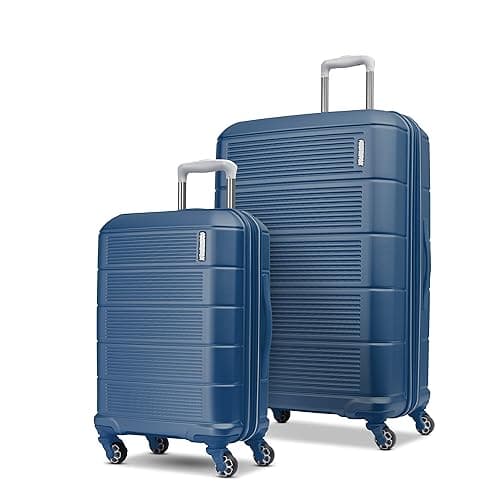
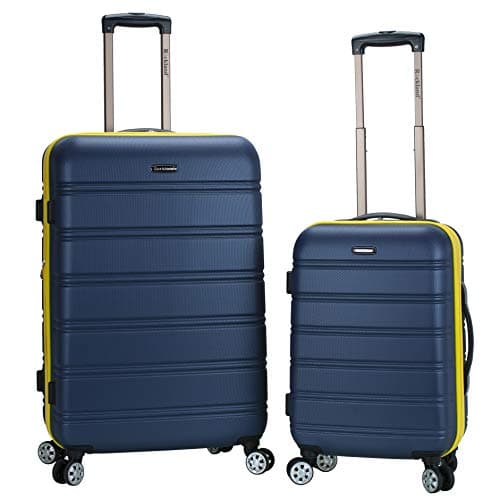
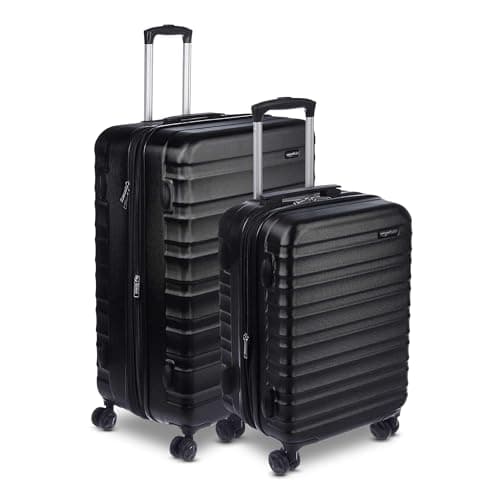
A set saves money when both pieces come off the same production line and share tooling: same shell, same wheels, same handle, two sizes. That is the Rockland, Amazon Basics and American Tourister case, and the discount is real. A set does not save money when a brand bundles a flagship carry-on with a lower-grade checked bag to hit a price point — you end up paying near-flagship money for one good bag and one mediocre one.
The tell is the specification sheet: if the two pieces list different shell materials, wheel types or warranty terms, they are not the same bag in two sizes and the set discount is smaller than it looks.
A two-piece set is also the natural shape for a couple who check one bag and carry one; our luggage sets for couples roundup ranks the two- and three-piece options on how the pieces divide between two people.
What we would actually buy
The Samsonite Freeform set if the budget allows, because the carry-on is a light molded case you would happily own alone. The American Tourister Stratum 2.0 as the sensible middle. The Rockland Melbourne if this is a set for a few trips a year and you would rather spend the difference on the trip — that is a completely defensible choice, and our sets under $200 roundup is built entirely around it.
How we picked
We did not lab-test these bags
Everyone in this category says they tested twenty suitcases. We have not lab-tested any of these, and we say so. What we did instead: compiled each bag's published specifications, checked its dimensions against the airline sizers, ran the cost-per-trip and weight-to-capacity math, read the aggregated owner reviews, and scored every pick against a published rubric. The scores are judgments from documented research — not measurements we took, because we do not have a lab and we will not pretend we do. Where a number came from someone else's work, we name them in Sources.