Making your luggage stand out is two problems, and almost every list online only solves one of them. The first is recognition: picking your bag out of forty near-identical black cases at twenty feet. The second is recovery: proving the bag is yours, and finding it, when it is not on the carousel at all. A ribbon on the handle solves the first badly and the second not at all. The complete answer is a visual marker that survives a baggage system, an identification card inside the bag, and a tracker.
The reason this comes up so often is matched sets. A set is, by design, a group of identical bags - which is why the carousel complaint is the single most common thing families report about them, as our family luggage page notes. Four matching cases in the same colorway is four indistinguishable bags, and the fix costs a small fraction of the set.
Problem one: recognition, ranked by what survives
A conveyor system is an aggressive environment - belts, chutes, drops, and tight gaps between rollers. The fixes below are ordered by how reliably they are still attached at the other end, which is a different ranking from how visible they are in your living room.
1. Buy a case in a color (best, and free). Nothing attached to a bag survives as well as the bag itself. If you are buying anyway, a distinctive colorway is the only identification method with a zero percent failure rate - and budget sets frequently offer the widest color range, which is a genuine practical advantage nobody lists as a feature. Our expandable sets page notes where that is on offer.
2. A wide luggage strap around the case. The best retrofit. It wraps the whole case rather than hanging off one point, so there is nothing for a roller to catch and tear, it is visible from any angle, and as a bonus it holds a cracked case together if the shell gives way. It is what we would fit first to an existing black suitcase.
3. A printed or patterned handle wrap. Good: it sits in the one place you always look, it is cheap, and it stays put better than anything tied on. It is also the marker that helps most at the moment of lifting, because that is where your hand goes.
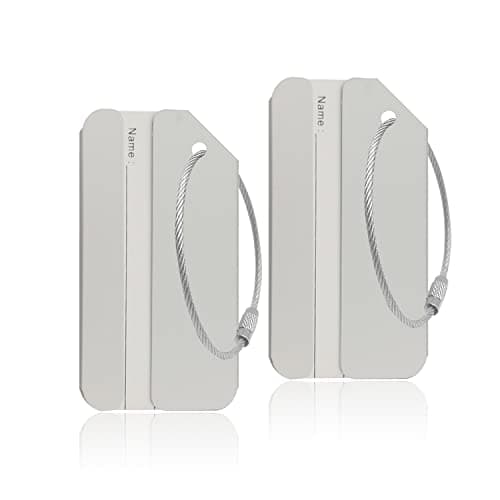
4. A large, distinctive hard tag. Does double duty - visual marker and identification - which is why it is the most efficient single purchase on this page. Metal and rigid plastic tags survive; the attachment is the weak point, so look for a steel wire loop rather than a thin plastic strap.
5. Ribbon tied to the handle (mostly does not survive). Everyone's first idea and the least durable. A single knot on a handle is exactly what a roller gap catches, and a ribbon that is gone is worse than no ribbon because you are now looking for the wrong thing.
6. Stickers (does not survive). Belts, chutes and friction take stickers off hardside shells, and partially-peeled stickers are what make a case look beaten. If you want permanent decoration on a shell, it has to be under the surface - meaning you buy a patterned case.
Problem two: recovery, which is the part people skip
A bag that does not arrive is a different problem, and the three things below are what actually resolve it.
An external tag with a phone number and email - not a home address. A visible home address on a tag tells a stranger that your house is empty for a week. A phone number and email are enough for anyone who wants to return the bag, and the airline already has your address.
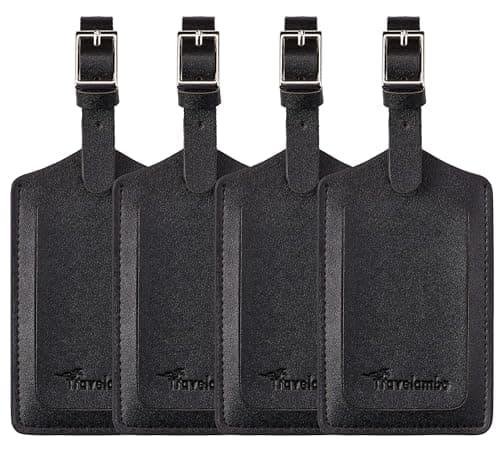
An identification card inside the bag. The step almost nobody takes and the one that matters most. External tags get torn off by belts routinely - and a bag with no tag and no interior ID is genuinely unidentifiable. Put a card in the lid pocket with your name, phone, email and your itinerary. Some cases have a dedicated ID window exactly for this.
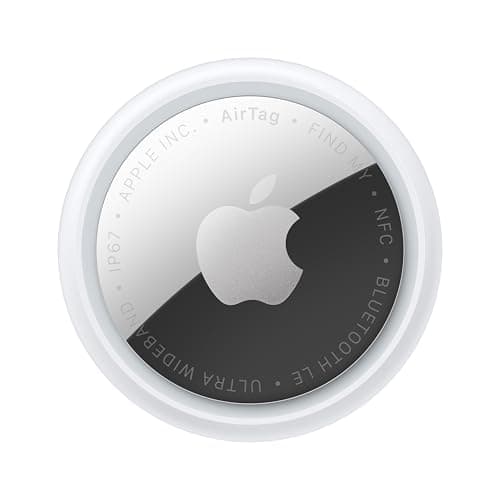
A tracker in the lining. This is the change of the last few years, and it changes the conversation at a baggage desk from a question into a statement. Bluetooth trackers piggyback on other people's phones, so coverage is excellent in airports - which is exactly where lost bags sit. Our luggage tracker roundup ranks the field across the Apple, Google and Samsung networks, and airline lost my luggage covers the claims process and the deadlines that come with it.
One thing to get right that is not decoration
Remove the old airline barcode tags. The sticker the agent wraps round your handle is what the baggage system actually reads, and a bag carrying last trip's barcode can be routed to last trip's destination. Peel them off every time. This is the only item on this page that prevents a bag from being lost rather than helping you find it afterwards.
What to buy
Three registry picks, each researched on its own roundup, covering the three jobs: a tag that identifies, a tag holder that survives the belt, and the tracker that finds the bag when identification is not the problem.
Why a matched set makes this worse
Sets are sold on the fact that the pieces match, and that is genuinely useful for handle height, wheel feel and one lock combination across the bags. The cost arrives at the carousel, where matching means identical. The clean solution is to differentiate the pieces rather than the set: a different tag color per piece, or per person, so you are not just identifying your family's bags but telling them apart from each other. A four-pack of tags in four colors does this for the price of a meal. Our are luggage sets worth it guide lists this as one of the real costs of the format, and best luggage sets ranks the sets themselves.
What not to put on a luggage tag
Your home address, for the reason above - a tag announcing an empty house with dates attached is a genuinely bad idea, and the airline has your address already. Nothing at all is the other failure: a bag with a blank tag and no interior card is unidentifiable, and unidentifiable bags are the ones that stay lost. A phone number, an email address and - inside the bag - your itinerary is the right amount of information. Tags with a privacy flap give you both: readable when someone picks it up, hidden the rest of the time.
Hardside, softside, and what sticks to what
A polycarbonate or ABS shell will not hold a sticker through many flights, and it will not take a sewn-on patch at all - so on a hardside case your options are a strap, a handle wrap, a tag or a patterned shell from the factory. A softside case takes a sewn patch permanently, which is the single most durable retrofit marker available, and it is worth knowing if you are choosing between the two formats for other reasons as well - hardside vs softside covers those, and best softside carry-on ranks the fabric cabin field.
Keeping the marker, and the case, in one piece
Two practical notes. Anything you attach at a single point is at risk, so prefer a steel wire loop to a plastic strap and prefer a strap round the case to anything dangling from a handle. And if your identification plan depends on a bright shell, know that gloss finishes show every scuff a belt leaves - textured and micro-diamond shells hide handling marks, which is why they rank higher on our most durable luggage page. Cleaning a marked shell is covered in how to clean luggage, and if the shell cracks rather than scuffs, cracked luggage repair has the airline claim deadlines - which are short, sometimes a matter of hours after arrival.