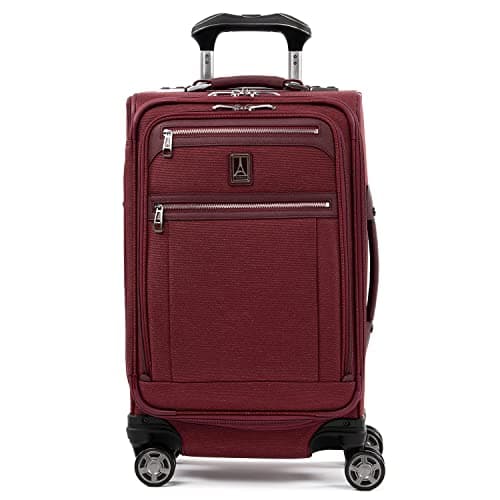
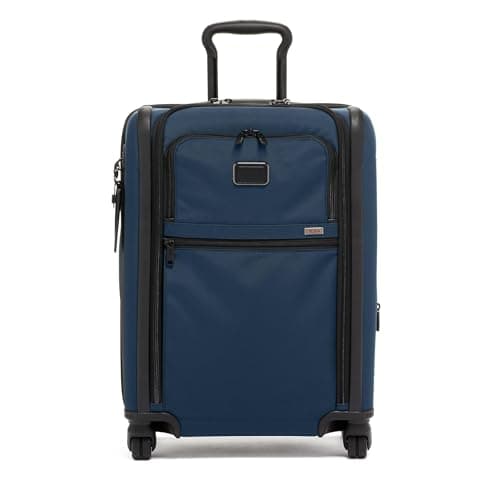
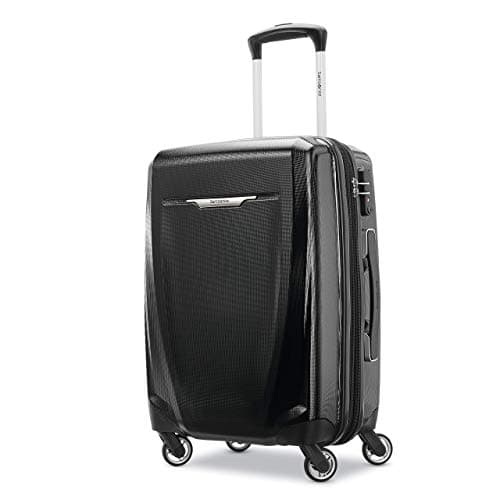
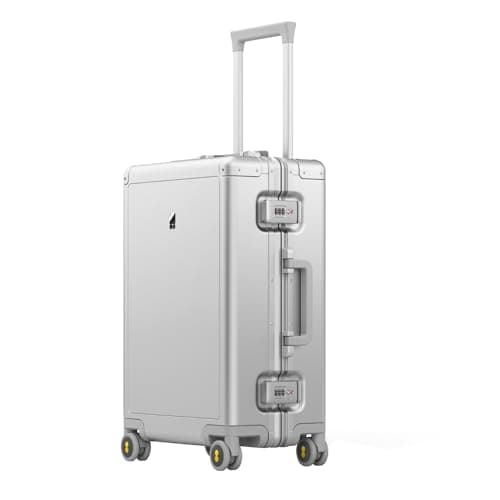
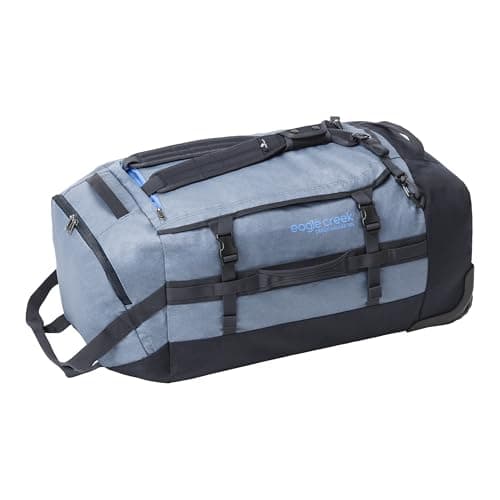
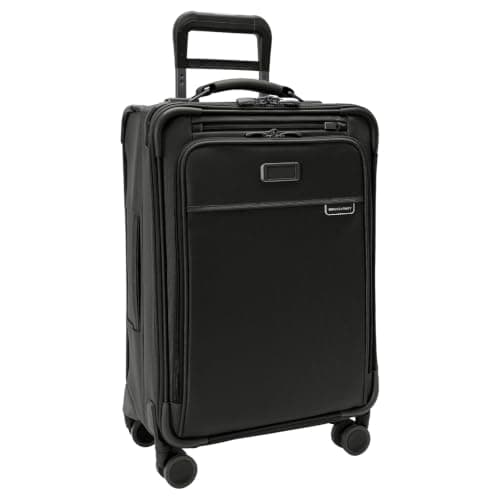
The most durable luggage is not the bag with the toughest-sounding shell. Luggage fails at four points, and the shell is the last of them: wheels go first, then the telescoping handle, then the main zipper, and only then does a shell crack or a fabric wear through. So this page ranks on the parts, on the materials that resist the failure each part suffers, and on the thing no spec sheet lists - what the maker does when a part fails anyway. Two of the six bags below are here largely because of their warranty terms, and we say so.
A word on materials, because the marketing is loud. Ballistic nylon is the most abrasion-resistant fabric in mainstream luggage and absorbs impacts a rigid shell transmits; it is heavy and it scuffs. Polycarbonate flexes under impact and springs back where cheaper ABS cracks; the glossy versions show every scuff. Aluminum is the stiffest shell sold and it dents permanently from the first rough handling - owners consider that the point. None of these is "indestructible"; the differences are in how they fail. Our shell materials guide and the hardside vs softside comparison cover the physics.
Every product here is one the site has already researched on its own roundup, and the scores are the ones it earned there; we re-wrote the verdicts around the durability brief. We have not lab-tested, drop-tested or tumble-tested any of these bags - the ranking is a judgment from published construction details, warranty terms quoted from the brands' own pages, and aggregated owner reports, per how we test. If you want the list of which brand stands behind what, the warranties guide is the companion page.
How luggage actually fails
In roughly this order: a wheel seizes or sheds its tread; the telescoping handle bends or stops locking; the main zipper splits under an overpacked load or loses a slider; and finally the shell cracks (hardside) or wears through at a corner (softside). Two things follow. First, a bag whose wheels and handle can be replaced by the maker is more durable in practice than a bag with a tougher shell and no service network. Second, the way you pack matters as much as the bag - an overstuffed zipper is the most common luggage failure there is, and no material prevents it. Our wheel replacement and zipper repair guides cover the two most common fixes.
The warranty is a durability feature
Most luggage warranties cover defects in materials and workmanship and exclude airline damage, wear, and cosmetic marks - which between them describe almost everything that happens to a suitcase. Two exceptions matter. Briggs & Riley's guarantee repairs the bag regardless of cause, including carrier damage. Travelpro's Trusted Companion Promise covers the cost of repairing airline damage on its core collections, but only if the bag is registered within 120 days of purchase - register it the day it arrives. Samsonite's 10-year limited warranty and TUMI's five-year term are conventional: defects yes, airlines no. For a full breakdown, read luggage warranties explained.
Which material is most durable?
It depends on which failure you are trying to avoid. Against abrasion and impact to the contents, ballistic nylon. Against cracking, polycarbonate - and specifically 100% polycarbonate, not the ABS blends sold as "hard shell". Against burst zippers and forced entry, an aluminum frame with latches. Against everything looking worn, none of them: nylon scuffs, gloss polycarbonate scratches, and aluminum dents. The polypropylene vs polycarbonate guide covers the two plastics that make up most of the market.
Durable does not mean heavy
The three most durable bags on this page are also three of the heaviest, and that is not a coincidence - corner guards, ballistic weave and an external handle frame all weigh something. On a US domestic route that costs you nothing. On a 7 kg cabin cap it costs you clothes. If your flying is weight-limited, the Samsonite is the durable bag that respects the allowance, and the lightweight luggage roundup ranks the field on empty weight first.
Habits that make any bag last longer
Do not overpack the zipper - if you have to sit on the lid, the bag is too small. Lift the bag by its grab handles, never by the telescoping handle, which is designed to pull, not to carry. Keep the expansion closed on a checked bag. Wipe road grit out of the wheel housings after a trip, because grit is what seizes a bearing. And check the bag for damage before you leave the baggage hall, while a claim is still possible.
How we picked
We did not lab-test these bags
Everyone in this category says they tested twenty suitcases. We have not lab-tested any of these, and we say so. What we did instead: compiled each bag's published specifications, checked its dimensions against the airline sizers, ran the cost-per-trip and weight-to-capacity math, read the aggregated owner reviews, and scored every pick against a published rubric. The scores are judgments from documented research — not measurements we took, because we do not have a lab and we will not pretend we do. Where a number came from someone else's work, we name them in Sources.