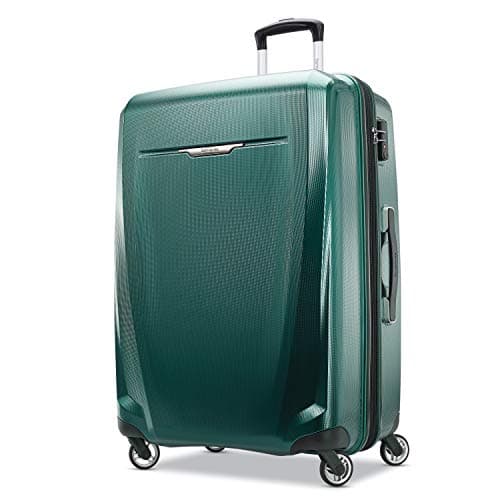
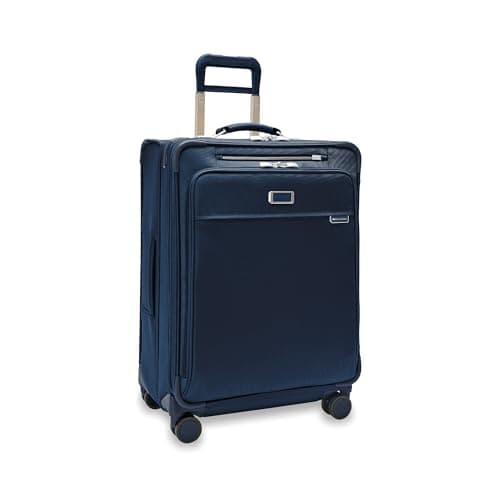
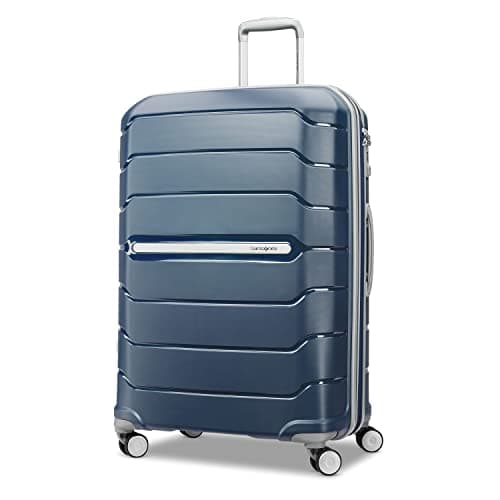
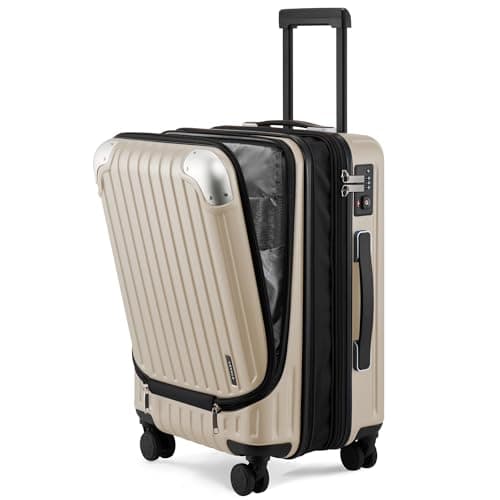
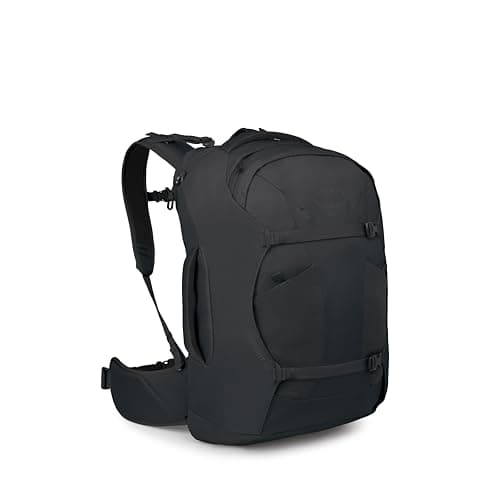
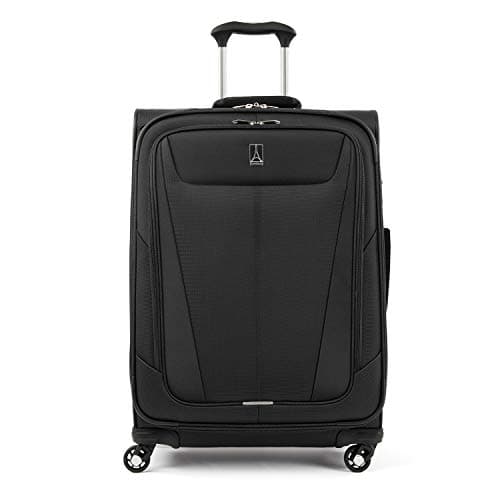
The best luggage for international travel is the bag that leaves you the most of your allowance. Abroad, the checked limit is usually expressed as 23 kg (50 lb) and is weighed at every counter, most long-haul carriers cap the cabin bag too, and once you land you are moving the bag across surfaces no US airport has. So this page ranks on three things a domestic roundup ignores: empty weight (every pound of case is a pound of clothes you cannot bring), wheels and handles that survive cobbles and train steps, and a warranty that covers what a baggage system does to a bag.
This is deliberately the checked-bag page. If you are trying to do a two-week trip out of the cabin, our international carry-on picks rank the cabin-sized cases against the strict 55 x 40 x 20 cm and 7 kg templates, and the international cabin backpacks cover the one-bag approach. Most people flying long-haul check one bag and carry one, which is why the list below is four checked cases and two cabin partners - and why the number-one pick is a 25-inch softside rather than the biggest case we could find.
A note on the sizes. International economy allowances cluster at 23 kg per bag and 158 cm (62 linear inches) for the sum of height, width and depth - the same 62-inch rule the US carriers use, so a case that is legal at home is legal abroad on size. The difference is the weight discipline: a 28-inch case that weighs 11 lb empty leaves you 39 lb, and a 25-inch case at 8 lb leaves you 42. Our checked bag size and weight guide walks through the arithmetic, and the fees guide explains what an overweight bag actually costs on the way home.
Every product here is one the site has already researched on its own roundup - the scores are the scores it earned there, and we re-wrote the verdicts for the long-haul brief. Specifications are the manufacturer's published figures; we have not lab-tested any of these. See how we test.
The 23 kg rule, and why it changes the size you should buy
On US domestic routes the 50 lb limit is real but rarely binding for a single traveler. On long-haul economy the same number is written as 23 kg, it is weighed at check-in every time, and the overweight charge on the way home is paid in a currency and at a rate you did not plan for. The practical response is to buy one size smaller than you think you need. A 25-inch medium fully packed lands at or below the limit; a 28-inch case fully packed almost never does. Two travelers are better served by two mediums than one large - you stay under both the weight and size limits, each bag is liftable, and on a short trip one stays home. Our trip-length sizing guide maps days away to case size.
Empty weight is the spec that matters most
Every pound of suitcase is a pound of your allowance. A light 25-inch softside can weigh three or four pounds less than a 28-inch molded case, and that difference is a pair of shoes and two sweaters on a 23 kg cap. This is why the Travelpro leads the list and the Briggs & Riley - the best-built bag here - sits third. Weigh your packed bag at home with a scale, stand on a bathroom scale holding it if you have nothing else, and build in a two-pound margin for the trip home.
Wheels off the airport floor
Four-wheel spinners glide on terminal tile and are pushed upright beside you, which is why every case here has them. Off that floor they are less good: on cobbles and broken pavement a spinner wobbles, and the fix is to tilt it onto two wheels and tow it. Look for larger, dual-wheel spinners (the Samsonite and LEVEL8 cases here) rather than small single wheels, and for a handle that locks at more than one height. For the surfaces where no wheel works - stairs, ferries, gravel - the backpack at the end of the list is the answer. The full trade-off is in spinner vs 2-wheel luggage.
Hardside or softside for long-haul?
Hardside protects better through multiple baggage systems and in the rain; softside is lighter, squeezes into trains and trunks, and has the outside pockets you want on a 14-hour day. For most long-haul trips the honest answer is one of each: a light softside checked case and a molded cabin case that survives being gate-checked. If you carry anything fragile home, reverse it. Our hardside vs softside guide goes deeper.
What a warranty covers abroad
Almost every luggage warranty excludes airline damage, which is the damage a checked bag actually suffers. The exceptions are the ones worth paying for on long-haul routes: Briggs & Riley repairs regardless of cause, and Travelpro's Trusted Companion Promise covers carrier damage on its core collections if you register the bag within 120 days of purchase. For everything else, report damage at the airport before you leave the baggage hall - airlines set short deadlines for claims, and our cracked luggage guide covers what to do when the bag comes off the belt broken.
Locks, tags and the things that go wrong
Use the built-in TSA lock rather than a padlock - a padlock that a screener cannot open gets cut off. Put a luggage tag on the bag with an email address rather than a home address, and a second copy of the same information inside the lid. And photograph the packed bag and its contents before you check it; if a claim is ever needed, the photo is the evidence. The TSA locks guide explains which locks survive a screening abroad.
How we picked
We did not lab-test these bags
Everyone in this category says they tested twenty suitcases. We have not lab-tested any of these, and we say so. What we did instead: compiled each bag's published specifications, checked its dimensions against the airline sizers, ran the cost-per-trip and weight-to-capacity math, read the aggregated owner reviews, and scored every pick against a published rubric. The scores are judgments from documented research — not measurements we took, because we do not have a lab and we will not pretend we do. Where a number came from someone else's work, we name them in Sources.