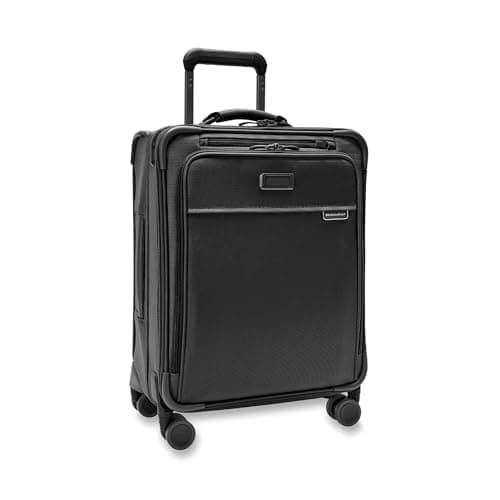
Luxury luggage is the easiest category in travel to overpay in, because the thing you are buying is mostly invisible from a product photo. Two cases can look identical and differ by a decade of service life. So we ranked these five on the three things that genuinely separate a $600 suitcase from a $150 one: the guarantee behind it, the shell or fabric, and the hardware you touch on every trip - wheels, handle, zipper pulls, latches.
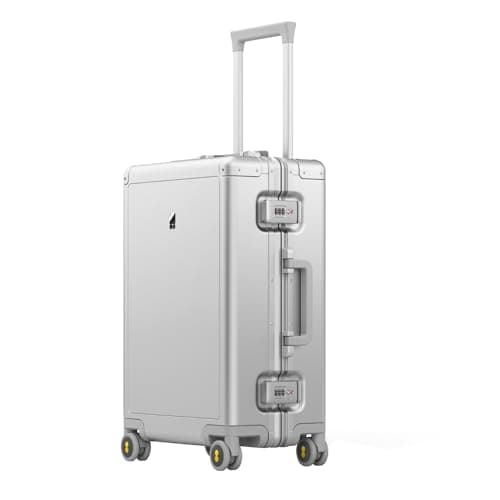
What luxury does not buy you is immunity from baggage handlers. Every case here can be gouged, and the aluminum ones will dent on their first belt ride and keep denting. That is the material behaving normally, not a defect. If you want a case that still looks new in year five, buy textured polycarbonate and check our hardside picks instead. If you want a case you will still be carrying in year fifteen, read on - and if it is a leather duffel or weekender you are after rather than a wheeled case, that is a different page: our best luxury travel bags roundup covers it.
The guarantee is the product
At this price the single largest difference between two cases is what happens when one breaks. Read the terms rather than the headline. Most premium warranties cover manufacturing defects and explicitly exclude damage caused by airlines, which is how luggage actually dies. Briggs & Riley's Simple As That guarantee is the outlier: it is unconditional and covers airline damage, for the life of the bag. That single clause is why it sits at number one on a page where it is not the prettiest or the lightest option. If you are spending this much, spend it on the clause, not the logo. Our guide to luggage warranties unpacks the wording each brand uses.
What each shell material is actually good at
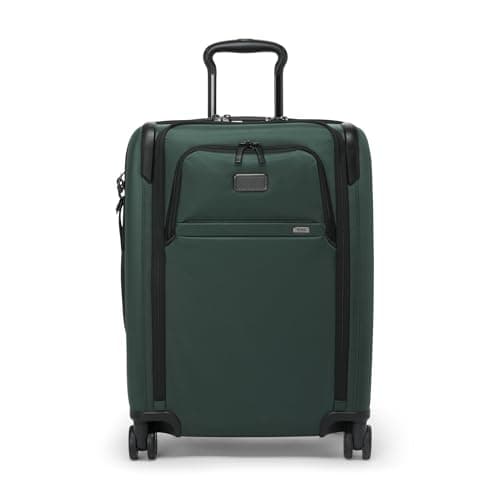
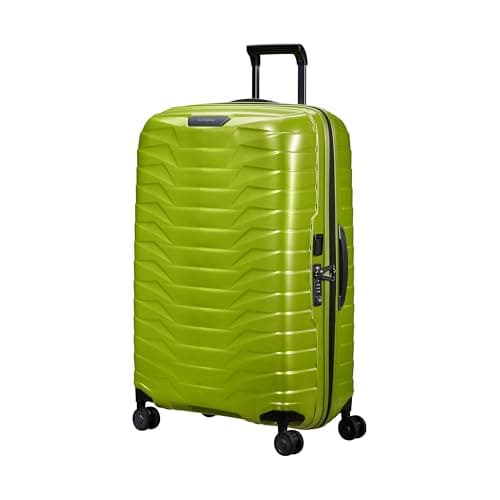
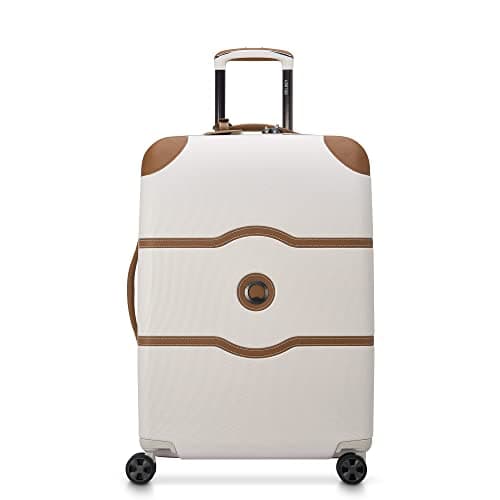
Ballistic nylon(Briggs & Riley, TUMI Alpha) does not crack, hides scuffs, and flexes when overstuffed - but transmits impact to whatever is inside. Recovering polymer shellslike Samsonite's Roxkin are designed to deform and spring back, which is the most useful hardside property on a big checked case. Aluminum is the stiffest and the most secure, and it is also the only material here that records every knock permanently. Lacquered polycarbonatelike the Chatelet's looks the best on day one and the worst on day two hundred. There is no best material, only a best match to how you travel; the full breakdown is in our materials guide.
Where luxury stops paying
Past a certain point you are buying design and brand, not durability. A mid-price Samsonite hardside and a designer case at four times the money are both polycarbonate shells on spinner wheels, and both will be scratched by the same conveyor. The premium tier earns its money in three places only: guarantee terms, handle and wheel quality, and interior organization that actually holds a suit flat. Everything above that is taste - which is fine, as long as you know that is what you are paying for. If the budget matters more than the badge, our brand rankingsshow where each maker's value line sits.
The aluminum and frame cases here close on latches rather than a zipper; our zipperless luggage guide explains what that buys you and what it costs, and the most durable luggage roundup ranks the premium cases on how they fail rather than how they look.
What we would actually buy
Fly weekly: the Briggs & Riley, and stop thinking about luggage. Want the premium object and travel for work: the TUMI Alpha. Check a big bag on every trip: the Samsonite Proxis. Want the aluminum look without the aluminum invoice: the LEVEL8 Gibraltar. Want the prettiest case in the taxi rank: the Delsey Chatelet Air 2.0.
Everything on this page is a hard shell, which is deliberate: a case that goes in the hold needs a surface that wipes clean and a warranty that covers airline handling, and leather has neither. If what you actually want is a leather bag for the cabin, our best leather travel bags roundup ranks that category by published hide grade - full-grain against top-grain against the words "genuine leather" - rather than by price.
How we picked
We did not lab-test these bags
Everyone in this category says they tested twenty suitcases. We have not lab-tested any of these, and we say so. What we did instead: compiled each bag's published specifications, checked its dimensions against the airline sizers, ran the cost-per-trip and weight-to-capacity math, read the aggregated owner reviews, and scored every pick against a published rubric. The scores are judgments from documented research — not measurements we took, because we do not have a lab and we will not pretend we do. Where a number came from someone else's work, we name them in Sources.