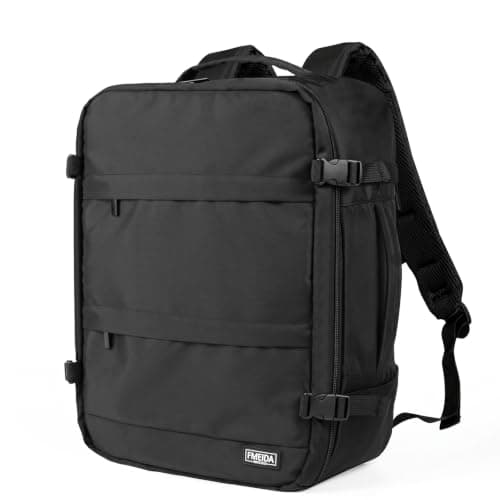
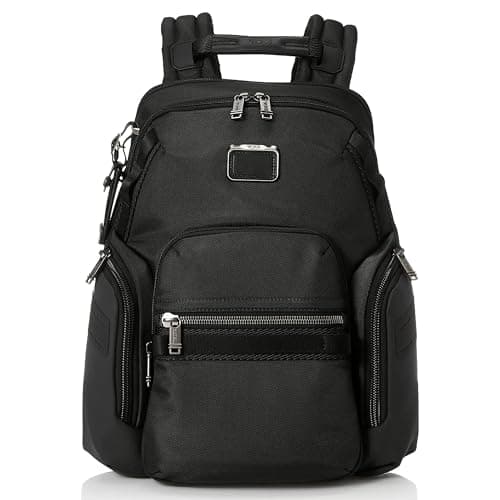
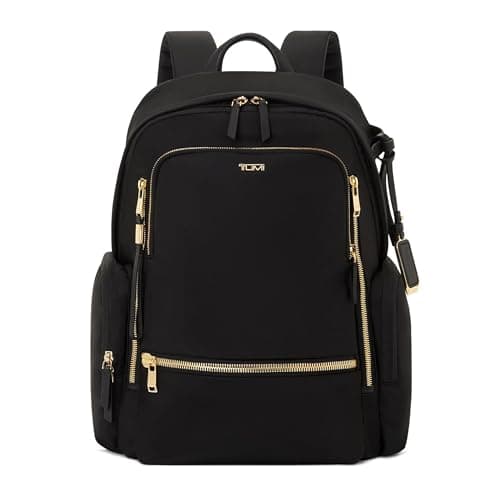
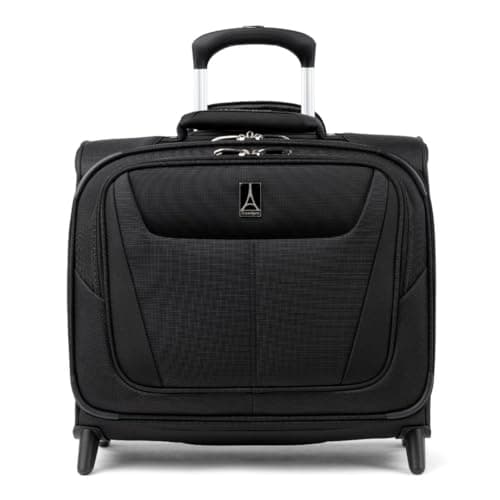
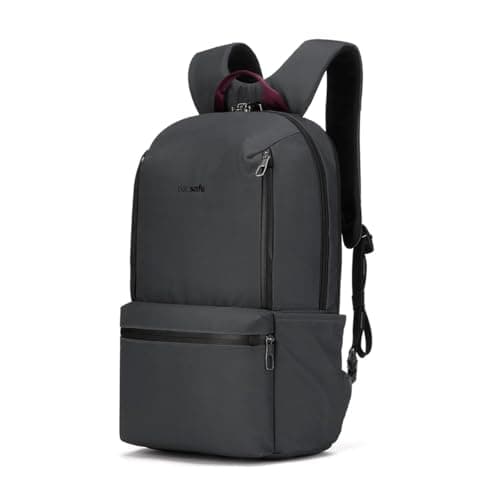
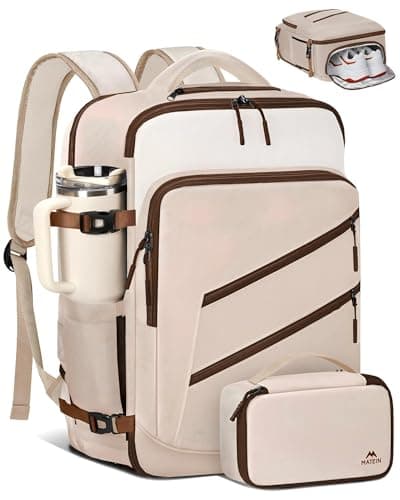
The best personal item bag is the one that fits the under-seat template of the airline you fly, because a personal item that does not fit is a carry-on with a fee attached. US carriers cluster around 18 x 14 x 8 inches; European low-cost carriers publish 40 x 30 x 20 cm or smaller, and a few enforce it with a metal sizer at the gate. So this page ranks six bags first on published dimensions against those two templates, then on laptop protection (the thing most personal items carry), then on usable volume - how much of a weekend actually fits.
Two things this page is not. It is not the underseat luggage roundup, which ranks the wheeled spinners and totes; one wheeled bag appears here as the alternative for people who do not want a bag on their back. And it is not the carry-on backpack roundup, which covers the 40-liter packs that fill the overhead bin - those are carry-ons, and on basic economy they cost money. The published personal-item limits for every major US airline are on our personal item size guide; read it before you buy, because the allowance is the specification that matters.
Every bag here is one the site has already researched on its own roundup, with the scores it earned there; dimensions are the manufacturer's published figures, and we have not measured or lab-tested any of them - see how we test. Where a maker publishes no empty weight, we say so rather than guess.
Fit the template, not the description
"Fits under most airline seats" is a phrase, not a specification. What matters is the published dimensions of the bag against the published limit of your airline - and the strictest airline you fly, not the most generous. US carriers mostly publish 18 x 14 x 8 inches or similar; European low-cost carriers publish 40 x 30 x 20 cm or smaller, and some measure at the gate with a sizer. Soft bags have an advantage here: a fabric pack compresses into a template a rigid one fails. The full airline-by-airline table is on our personal item size guide.
Backpack, tote or wheels?
A backpack carries the most for its size and leaves both hands free, which matters when you are also towing a case. A tote is the easiest to get in and out of in a seat. A wheeled underseater carries the weight for you and rides on a carry-on handle, at the cost of some interior room. There is no wrong answer; there is a wrong answer for a given back and a given trip. If you carry a laptop and fly with a rolling carry-on, the backpack with an add-a-bag sleeve is the combination that works best.
What actually fits in a personal item
Roughly: a laptop, a charger, a book, a liquids bag, a light layer and one change of clothes - or two to three days of clothes if the laptop stays home and you use a packing cube. A 24-liter bag is a weekend with discipline; a 20-liter bag is a day plus essentials. If the bag needs to be a week of luggage, it is not a personal item, and our backpack-as-carry-on guide explains where the line falls.
Laptop protection
Look for a padded sleeve with a suspended bottom, so the laptop does not sit on the floor of the bag where a dropped pack hits first, and a sleeve that opens wide enough to get the laptop out in a security lane. A bag that publishes a laptop size ("fits 15-inch") is more trustworthy than one that says "laptop compartment". Keep the laptop and the power bank in this bag, not in the carry-on: if the overhead bins fill and your carry-on is gate-checked, spare lithium batteries must come out of it and stay with you in the cabin.
Basic economy and the free bag
On a basic-economy fare, the personal item is often the only free bag and the carry-on costs extra - which is the single best money-saving trick in air travel, and the reason to buy a bag that fits the template rather than one that almost does. One gate-check fee costs more than most of the bags on this page. The carry-on vs checked guide covers when paying for the bigger bag is worth it anyway.
How we picked
We did not lab-test these bags
Everyone in this category says they tested twenty suitcases. We have not lab-tested any of these, and we say so. What we did instead: compiled each bag's published specifications, checked its dimensions against the airline sizers, ran the cost-per-trip and weight-to-capacity math, read the aggregated owner reviews, and scored every pick against a published rubric. The scores are judgments from documented research — not measurements we took, because we do not have a lab and we will not pretend we do. Where a number came from someone else's work, we name them in Sources.