American Tourister is the cheapest way to buy luggage that still sits inside a real service network. The brand has been owned by Samsonite since 1993, which means a failed wheel or a snapped handle has somewhere to go — a genuine advantage over the unbranded cases it competes with on price, and the single strongest argument for the brand.
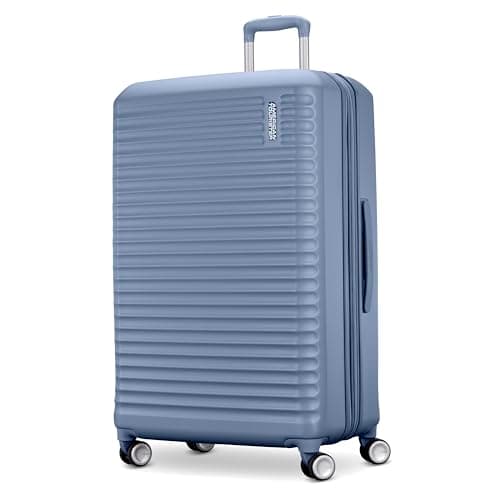
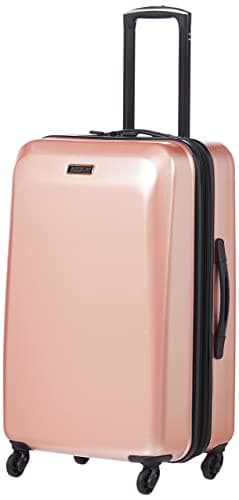
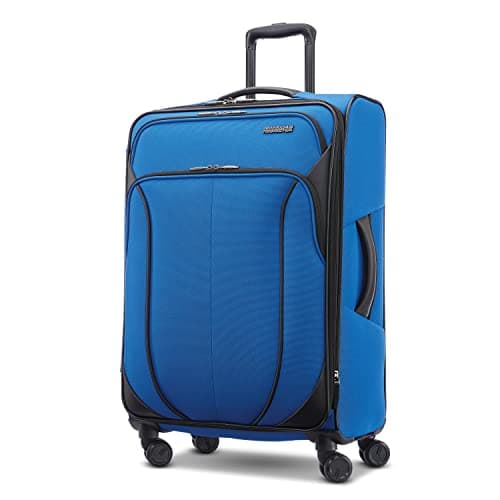
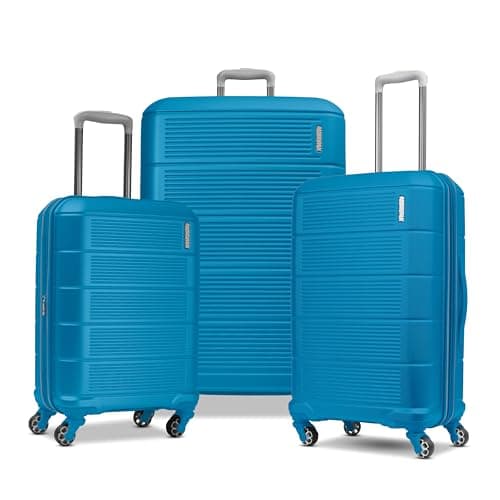
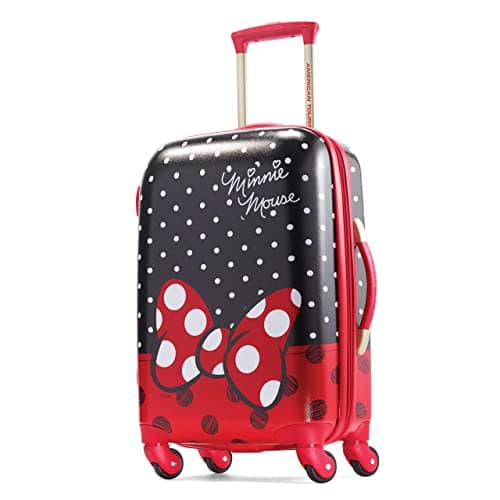
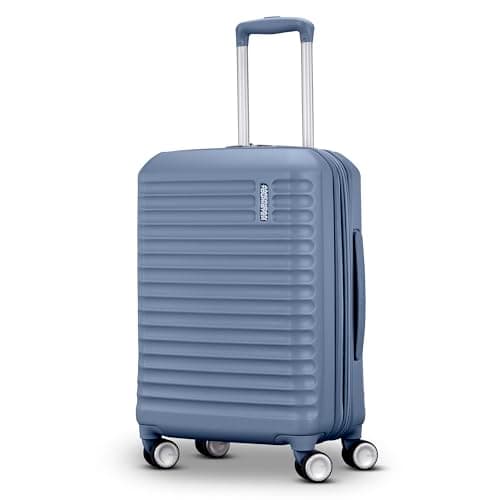
The range is a short ladder rather than a deep one. Stratum is the hardside value line and the reason most people arrive here — a molded spinner case at a price that undercuts almost everything with a name on it. Moonlight is the design line, where you pay a little more for a finish that does not look like budget luggage. 4 KIX is the softside family, for people who want external pockets and a shell that forgives overpacking. And the Disney cases are a licensed line that no other legacy brand really competes with.
There is one thing to check before you buy any of them, and it is the reason this page exists. Several American Tourister cases sold as carry-ons measure larger than the standard 22 x 14 x 9 inch domestic allowance once wheels and handles are counted. That is not a defect and it is printed openly in the listings, but it is not on the front of the box either, and it decides whether your bag rides in the cabin or gets gate-checked. We give the published external dimensions on every pick below, and our guide to measuring luggage explains which number airlines actually enforce.
The trade you are making across the whole range is material and warranty. American Tourister leans on ABS and ABS-blend shells rather than the polycarbonate its parent brand uses further up, and it backs its cases with a 10-year limited warranty rather than a lifetime one. Both are honest choices at these prices — they are just the two places the money came from.
Wondering whether to spend up a tier? Travelpro vs American Tourister works out what the price gap actually buys, and at roughly how many trips a year it starts to pay.
The Samsonite connection is the whole argument
American Tourister has been part of Samsonite since 1993, and that is not trivia — it is the reason to choose it over the anonymous brands it sits beside at the same price. A case with a parent company behind it has a warranty department, a spare-parts channel and repair agents who have seen the model before. When a wheel shears off an unbranded case, the case is finished. When one shears off an American Tourister, there is a claim to file. Our Samsonite vs American Tourister comparison works through where the two brands genuinely diverge.
ABS, and what it costs you
Almost everything hardside in this range uses ABS or an ABS blend rather than the polycarbonate Samsonite uses further up. ABS is stiffer and cheaper; polycarbonate is more flexible and absorbs an impact by deforming and springing back rather than cracking. In practice that means an American Tourister shell survives ordinary handling perfectly well and is more likely than a polycarbonate case to crack under a genuinely bad drop. Our shell material guide explains the difference properly, and it is the single most useful thing to understand before buying at this price.
Measure it before you fly it
This is the recurring theme of the range and the thing we would most want a buyer to know. American Tourister publishes both packing dimensions and overall dimensions, and the overall figure — the one airlines gauge — is frequently above the 22 x 14 x 9 inch domestic standard. The Stratum 3.0 carry-on is 22 x 15 x 9.5 in. The Moonlight carry-on is 22 x 15 x 9.5 in. The Disney carry-on is 23 x 16 x 11 in. None of those clears a strict sizer.
In practice most US domestic flights never gauge a bag, and millions of these cases fly in overhead bins every year without incident. But budget carriers and most European airlines do gauge, and they charge at the gate when the bag fails. If you fly those routes, buy from our international carry-on picks instead, and read carry-on size by airline before you commit.
The 10-year warranty, and what it does not cover
American Tourister backs most of its cases with a 10-year limited warranty against defects in materials and workmanship. That is a real warranty and longer than most budget brands offer. It is also narrower than it sounds: like nearly every luggage warranty it covers manufacturing defects, not airline handling damage, and not ordinary wear. A cracked shell from a baggage belt is generally an airline claim rather than a warranty claim. Our warranty guide explains which route to take, and wheel replacement covers the most common failure by a wide margin.
Where American Tourister loses
Two places, and they are worth being straight about. Materials: ABS shells and polyester fabrics are a tier below what Samsonite, Travelpro and Delsey put in cases costing half as much again, and the finish shows wear sooner. Precision: the sizing slack described above is not an accident of one model, it runs through the range, and a brand that sells carry-ons which do not fit a carry-on sizer has made a deliberate choice about who it is selling to. If either of those matters to you, the honest answer is to spend up — our Samsonite range and Delsey range are the next rungs.
What we would actually buy
The Stratum 3.0 carry-on, for most people, on the assumption you fly mainstream domestic routes that do not gauge bags. The Stratum 2.0 three-piece set if you are furnishing a household from nothing and the cost per bag is what matters. The 4 KIX 2.0 if you overpack and want a shell that forgives it. And the Disney case only for a child, and only if you have accepted that it is going in the hold. If none of those fit, the wider field is in our sets under $200 and hardside roundup.