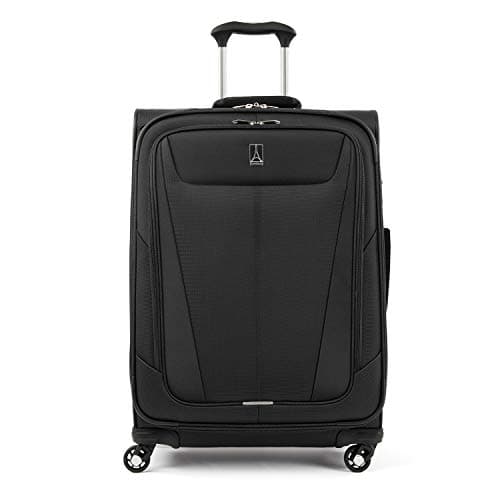
Cruise cabins do not have luggage racks. Whatever you bring has to spend the whole voyage flat under the bed, in a gap that is often not much more than a foot high - and cabin floor space is tight enough that a case standing in the corner genuinely changes how two people move around each other for a week. That single constraint is why cruise luggage advice differs from airline luggage advice, and why a rigid hard shell is a worse buy here than it is anywhere else.
The second cruise-only rule is formalwear. Most lines still run at least one dress-code evening, and a suit or a long dress crushed into a spinner arrives looking like it. The third thing to plan for is embarkation day: your main bag is handed to a porter at the pier and can take hours to reach the cabin, so you need a small bag that stays with you carrying medication, documents, swimwear and a change of clothes. We picked for all three. Check your line's own baggage rules before you sail - most publish a per-guest bag count, and several ban irons, steamers and extension cords outright.
The under-the-berth rule
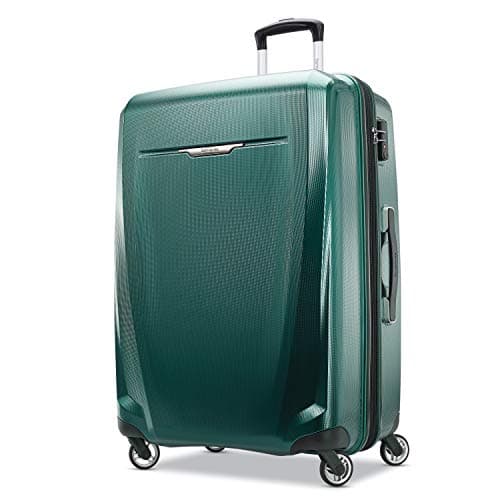
This is the whole game. Standard cabins are small and the storage design assumes your empty luggage goes under the bed for the duration - there is no rack, and the wardrobe is sized for clothes rather than cases. A softside bag or a duffel compresses and slides into that gap; a rigid hard shell keeps its full depth forever and ends up standing in the corner of a room where two people are already negotiating for floor space. Clearances vary by ship and cabin category, so measure yours if the deck plan tells you - but the direction of the advice does not change: soft folds, hard does not.
Formal night is a packing problem, not a luggage problem
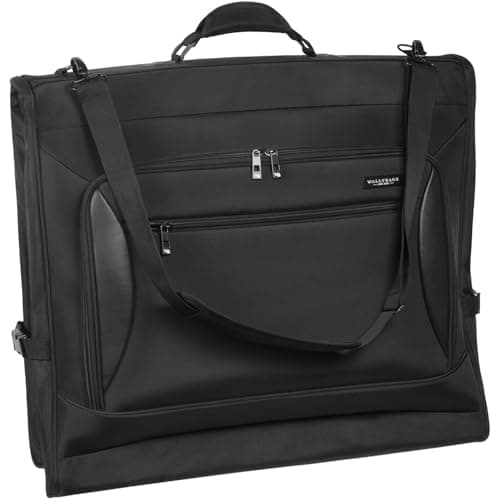
Nearly every major line still schedules at least one formal or gala evening. The reliable fix is a hanging garment bag; the workable alternative is packing the suit properly, which our how to pack a suit guide covers step by step. What does not work is folding a jacket into a spinner and hoping. Note that cruise lines generally prohibit irons and steamers in cabins on fire-safety grounds, so you cannot rescue a crushed jacket once you are aboard - which makes the garment bag the safest plan. More options in our garment bag roundup.
Pack an embarkation-day bag
At most ports you hand your main luggage to a porter at the pier and do not see it again for several hours. Anything you need before dinner has to be on your back: medication, passports and boarding documents, phone chargers, swimwear if you want the pool before the crowds, and a change of clothes. A personal-item bag or a small backpack is the right size - our underseat picks double as cruise day bags, and several also work as your shore-excursion bag for the rest of the trip.
What we would actually buy
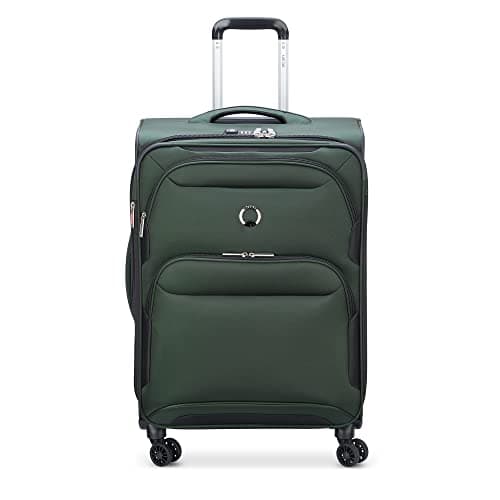
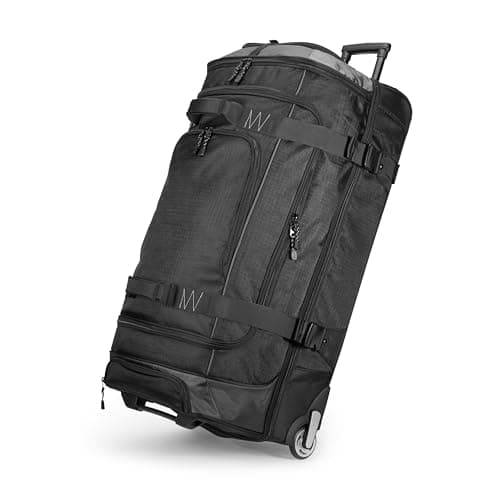
For most cruisers: the Travelpro Maxlite 5, plus the WallyBags garment bag if your line has a dress code. On a budget or in an inside cabin: the Delsey Sky Max or the rolling duffel, both of which vanish under the berth. Choose the Samsonite hard shell only if you are driving to the pier and bringing fragile things home.
How we picked
We did not lab-test these bags
Everyone in this category says they tested twenty suitcases. We have not lab-tested any of these, and we say so. What we did instead: compiled each bag's published specifications, checked its dimensions against the airline sizers, ran the cost-per-trip and weight-to-capacity math, read the aggregated owner reviews, and scored every pick against a published rubric. The scores are judgments from documented research — not measurements we took, because we do not have a lab and we will not pretend we do. Where a number came from someone else's work, we name them in Sources.