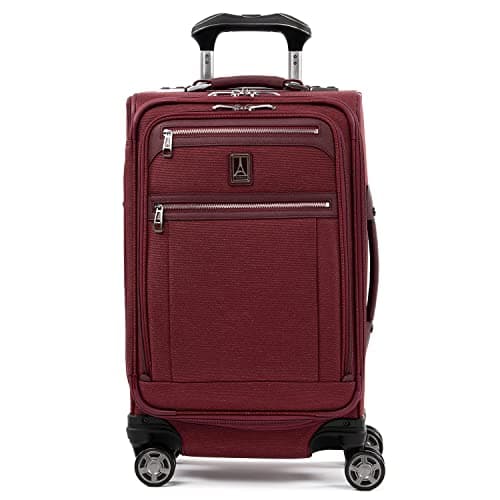
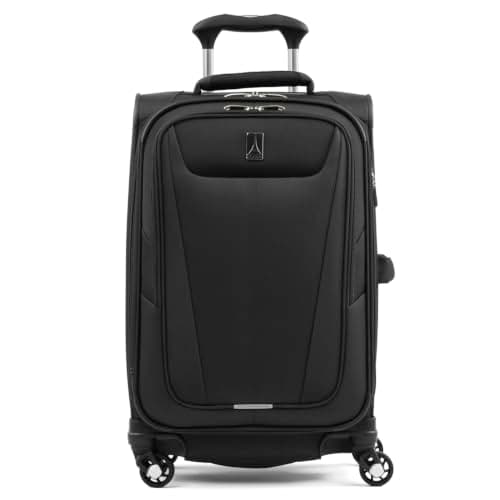
An expansion zipper is the most misunderstood feature on a carry-on. It does not make the bag bigger for the flight out — it makes it bigger for the flight home, when you are carrying things you did not leave with. Used that way it is genuinely useful. Used as a way to squeeze a week's packing into a cabin bag on departure, it is how people end up paying a gate-check fee.
Every bag below expands, but they do not expand equally. The useful range is roughly one to two inches of extra depth, which is somewhere between 15% and 25% more volume depending on the case. We ranked these six on how much the expansion genuinely adds, how the bag behaves once it is expanded (a soft shell overstuffs gracefully; a hard shell bows), build quality, and price. The one rule that applies to all of them: expanded, none of these is carry-on legal on a strict carrier.
If you have not checked the numbers you are working against, start with what size a carry-on actually is and the carry-on size by airline table. If you would rather not gamble at all, the lightweight picks stay inside the sizer by design.
What an expansion zipper actually gives you
Almost every expandable carry-on adds depth, not height or width — the zipper runs around the perimeter of the lid and lets the case stand one to two inches deeper. On a 21-inch bag that is roughly 15% to 25% more volume. It is enough for a jacket, a pair of shoes and a few souvenirs. It is not enough to turn a carry-on into a checked bag, and any listing that implies otherwise is selling you the zipper, not the math.
Expanded, you are over the limit
This is the part the product pages leave out. Airline carry-on allowances are stated for the bag at its maximum dimensions, wheels and handles included. A 22 x 14 x 9 inch case that gains two inches of depth is a 22 x 14 x 11 inch case, and 11 inches does not fit a 9-inch sizer. On US domestic flights with plenty of bin space nobody usually measures. On a full budget-carrier flight in Europe or Asia, they do — see our international carry-on size guide for the carriers that actively enforce it.
The practical way to use an expandable bag: fly out zipped shut and inside the limit, come home expanded and, if the return leg is strict, check it. Many travelers pay one checked-bag fee on the way home rather than two on the round trip.
Softside expands better than hardside
A fabric shell has give. When you expand it and overpack, the panels round out and the bag still closes. A molded shell has no give: expand it, overfill it, and the lid bows outward, which puts load directly on the zipper and the hinge line. That is why the top of this list is a softside bag even though most of the category is hardside. If you want a hard shell and you expect to travel expanded, buy the shell one size down rather than relying on the zipper. Our hardside vs softside guide covers the wider trade.
The zipper is the failure point
An expansion zipper doubles the amount of zipper on the bag and puts the extra run under tension every time you use it. It is the single most common warranty claim on expandable luggage. Two things follow from that. First, buy a brand with a real warranty and repair network — Travelpro's limited lifetime cover and Samsonite's 10-year limited warranty are the reason those two lead this list. Second, do not force it: if the zipper needs a shove, take something out. A split expansion zipper mid-trip cannot be repaired at an airport.
What we would buy
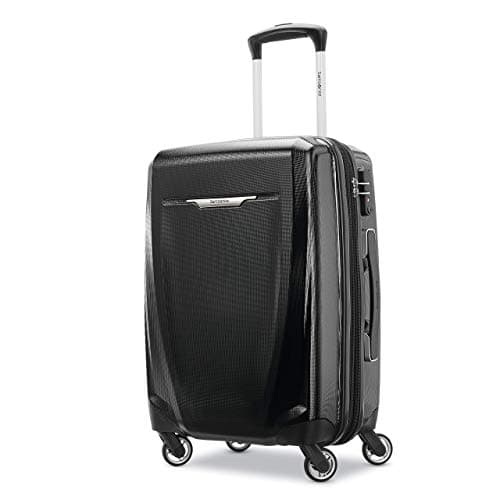
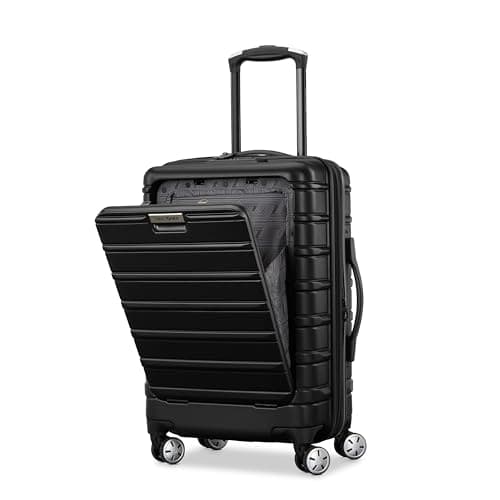
The Travelpro Maxlite 5. It is light, it expands the way a soft bag should, and the warranty covers the part most likely to fail. If you need a hard shell, the Samsonite Omni 2 Pro is the better value of the two Samsonites here, and the Winfield 3 DLX is the one to buy if you want the stiffest case in the range.
If you are buying more than one piece, the same trade-off plays out differently across a set - and the published expansion figures vary from 1 to 2 inches depending on the case. Our best expandable luggage sets page ranks sets on published expansion depth and on which pieces actually expand, and sets out where the extra inches are free and where they buy you an oversize fee.